That heavy, puffy feeling can make even a normal day feel uncomfortable. Whether you are seeking gentle support after cosmetic surgery, help with swelling, or a restorative reset from stress and tension, knowing how to prepare for lymphatic massage can help you arrive feeling comfortable, informed, and ready to receive the full benefit of your session.
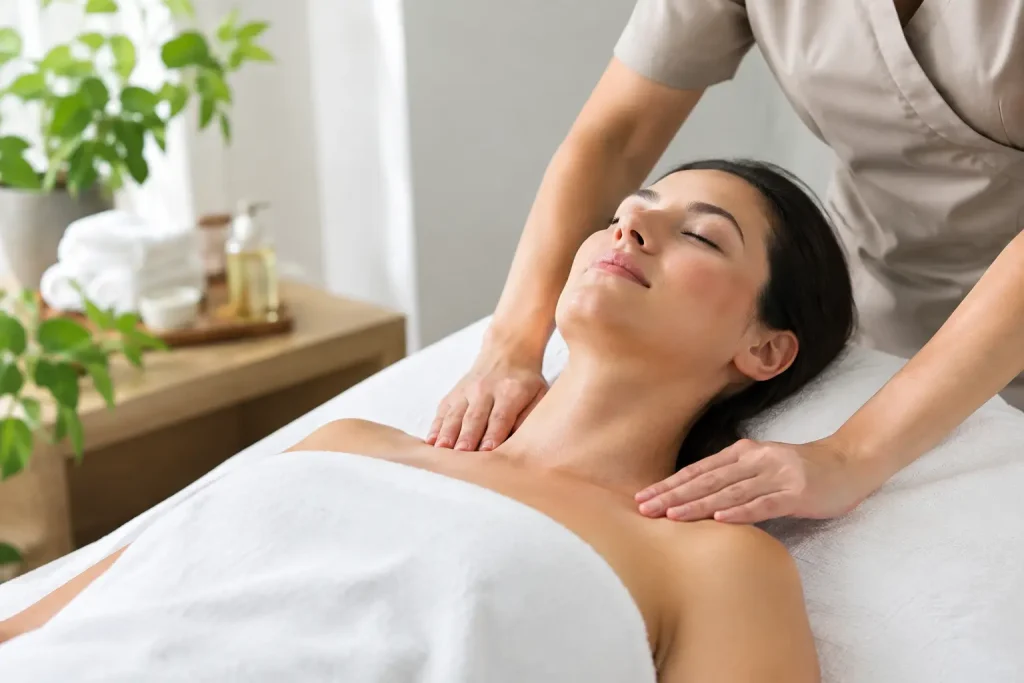
Lymphatic massage, also called Manual Lymph Drainage, uses light, intentional strokes to encourage the natural movement of lymph fluid. It is not a deep-tissue massage, and it should never feel like your therapist is forcing fluid through painful areas. A properly tailored session is calm, precise, and responsive to what your body needs that day.
Start With Your Reason for Booking
Preparation begins before you drink a glass of water or choose an outfit. Be clear about why you are coming in. Perhaps you are recovering from a procedure, dealing with persistent puffiness, feeling sluggish after travel, or looking for supportive care alongside your wellness routine. Your goals guide the session.
If you are booking after plastic surgery, follow your surgeon’s recovery instructions first. Your provider may have specific timing, compression garment, incision, drain, or activity guidelines that need to shape your massage plan. Bring those instructions with you if possible, especially if this is your first post-operative lymphatic appointment.
At Healing Key Spa, individualized care means your therapist will want to understand your surgery date, current symptoms, areas of tenderness, and recovery concerns. Honest details help create a safer, more comfortable experience. You do not need to minimize discomfort or guess what is relevant.
How to Prepare for Lymphatic Massage the Day Before
Give your body a little breathing room the day before your appointment. Focus on normal, steady hydration rather than trying to drink an excessive amount of water all at once. Hydration supports your overall circulation and can help you feel better during and after your massage.
Try to eat balanced meals with protein, fiber, and nourishing foods that sit well for you. Very salty meals, heavy alcohol intake, and foods that leave you feeling inflamed or bloated may make you less comfortable, particularly if swelling is already a concern. One restaurant meal will not undo your session, so this is not about perfection. It is about helping your body feel supported.
If you can, avoid scheduling a demanding workout immediately before lymphatic massage. Intense exercise can leave muscles sore and may temporarily increase inflammation or fluid shifts. Gentle walking and normal daily movement are usually fine, unless your surgeon or medical provider has told you otherwise.
Get a good night’s rest if your schedule allows. Recovery work asks your nervous system to settle, and arriving depleted, rushed, or overstimulated can make it harder to relax. A quiet evening is a practical form of self-care, not an extra requirement.
What to Do on the Day of Your Appointment
Have a light meal one to two hours before your session. Coming in overly full can make lying on the table uncomfortable, but arriving hungry may leave you lightheaded or distracted. Choose something simple that gives you steady energy.
Wear loose, comfortable clothing that is easy to take on and off. Soft pants, a relaxed top, and slip-on shoes can be especially helpful for post-surgical clients who are moving carefully or wearing compression garments. Your comfort matters before, during, and after the treatment.
Plan to arrive a few minutes early. A rushed entrance can carry tension straight into the treatment room. Give yourself enough time to use the restroom, complete any needed intake forms, and talk through changes in your symptoms or recovery.
A few practical details are worth bringing with you:
- Your surgeon’s post-operative instructions, if you are in surgical recovery
- Any compression garment your provider has instructed you to wear
- A list of medications or supplements, especially new ones
- Water for after your session
- Questions about home care, frequency, or what sensations to expect
You do not need to come in with a perfect script. Simply tell your therapist what feels different, what hurts, and what you hope to improve. Clear communication is one of the most useful parts of preparation.
Know What Lymphatic Massage Should Feel Like
Many people expect massage to be firm to be effective. Lymphatic work is different. The lymphatic system sits close to the surface of the skin, so the Vodder Technique uses gentle, rhythmic movements designed to support lymph flow without aggressively compressing tissue.
You may feel deeply relaxed, warm, sleepy, or lighter after the session. Some clients notice they need to use the restroom more often afterward. Others feel subtle changes over a series of appointments, especially when they are recovering from surgery or managing ongoing swelling.
Pain, bruising, or intense pressure are not signs that lymphatic massage is working better. Speak up right away if something feels sharp, burning, overly tender, or simply wrong for your body. The right level of pressure is one that respects sensitive tissue while still providing skilled therapeutic care.
Be Open About Your Health History
A qualified therapist needs a complete picture before beginning lymphatic work. Share any history of blood clots, heart conditions, kidney disease, active cancer treatment, infection, fever, unexplained swelling, or open wounds. These conditions may mean lymphatic massage should be postponed, modified, or cleared by your medical provider first.
Also mention recent illness, new medications, pregnancy, skin irritation, or changes to your surgical recovery. This is not meant to make the process complicated. It is how your therapist protects your well-being and chooses care that fits your body rather than applying a one-size-fits-all routine.
If one leg, arm, or area of the body suddenly becomes swollen, red, hot, or painful, do not book a massage as your first step. Seek prompt medical guidance. Sudden symptoms can need medical evaluation before any bodywork.
Plan for a Gentle Rest of Your Day
After lymphatic massage, resist the urge to pack your schedule with errands, a hard workout, or a stressful commitment. If possible, leave yourself a calmer window afterward. Hydrate normally, eat a nourishing meal, and take a short walk if it feels good and is appropriate for your recovery plan.
Post-surgical clients should continue following their surgeon’s guidance about compression, activity, sleeping positions, and wound care. Lymphatic massage can be a valuable part of recovery support, but it does not replace medical follow-up or post-operative instructions.
You may notice temporary tenderness in areas that were already sensitive, but you should not feel worse in a severe or escalating way. Contact your medical provider if you experience concerning symptoms. For routine questions about how your body responded to the session, bring them to your next appointment so your therapist can adjust the approach.
Let Your Session Be Personal
The best preparation is not a complicated wellness checklist. It is arriving hydrated, comfortably dressed, medically cleared when needed, and willing to communicate. Lymphatic care works best when it is matched to your real life: your pain patterns, recovery timeline, stress level, and goals for feeling more at home in your body.
Make room for that hour of care without needing to earn it first. Your body has been carrying you through work, recovery, movement, and the daily grind. A thoughtful lymphatic massage can be a gentle place to pause, support your healing, and leave with a little more ease.