That tight, heavy feeling after a hard workout, a long shift, yard work, or too many hours at a desk is your body asking for recovery, not necessarily more effort. Muscle recovery is how your body repairs stressed tissue, settles irritation, restores energy, and prepares you to move comfortably again. When recovery falls behind, everyday tasks can start to feel harder than they should.
The goal is not to eliminate every bit of post-activity soreness. Some temporary soreness is a normal response to new or demanding movement. The goal is to recognize what your body needs, give it the right support, and avoid pushing through pain that deserves attention.
Why Muscle Recovery Changes How You Feel
Muscles experience small amounts of stress whenever you lift, run, work on your feet, carry children, sit in one position for hours, or repeat the same movement throughout the day. Your body responds by repairing and adapting. That process relies on circulation, sleep, nourishment, hydration, and enough time between demanding activities.
Recovery can feel slower when stress is high, sleep is short, or your body is already compensating for tight hips, rounded shoulders, limited mobility, or an old injury pattern. You may notice stiffness first thing in the morning, reduced range of motion, nagging knots, or soreness that lingers longer than expected.
A thoughtful recovery routine helps you stay connected to what your body is telling you. Rather than treating discomfort as something to ignore, you can respond early with rest, gentle movement, and hands-on care tailored to the areas that need it most.
The Foundations of Healthy Muscle Recovery
Rest is active care, not a setback
Your body does much of its repair work while you rest. Sleep supports tissue repair, energy balance, and your ability to handle physical and emotional stress. A single restless night will not ruin your progress, but consistently poor sleep can leave muscles feeling more sensitive, tight, and slow to rebound.
Rest also means changing the demand when needed. If your legs are deeply sore after a challenging workout, a gentle walk, mobility work, or an easier training day may serve you better than another intense session. This is not about losing momentum. It is about creating the conditions for stronger, more sustainable movement.
Hydration and nourishment support the repair process
Water helps your body regulate temperature, circulate nutrients, and function well during and after activity. You do not need a complicated hydration plan for every day, but regular fluids matter, especially in Texas heat or after a sweaty workout. Pay attention to thirst, fatigue, headaches, and unusually dark urine as practical signals that you may need more fluids.
Meals matter, too. Protein provides building blocks for muscle repair, while carbohydrates help restore energy after activity. Fruits, vegetables, whole grains, and healthy fats provide nutrients that support overall recovery. The best approach is usually consistent, satisfying meals, not extreme restriction or a collection of expensive supplements.
Gentle movement can reduce the stuck feeling
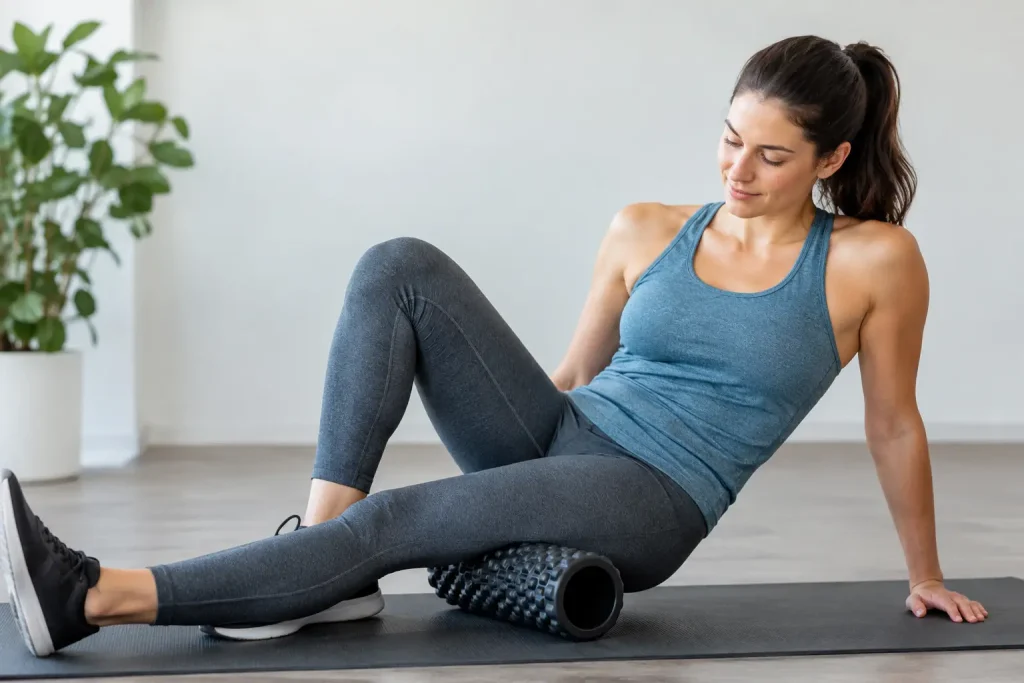
When soreness is mild, complete stillness is not always the answer. Easy movement encourages circulation and can help the body feel less stiff. A relaxed walk, light stretching, controlled mobility exercises, or a few minutes of gentle movement between work tasks may be enough to change how your body feels.
The key is intensity. Recovery movement should leave you feeling looser or more comfortable, not more depleted. Sharp pain, swelling, weakness, numbness, or pain that worsens with movement calls for a different response and may require evaluation from a qualified medical professional.
How Therapeutic Massage Supports Muscle Recovery
Massage is not a replacement for sleep, nutrition, medical care, or a sensible training plan. It can, however, be a valuable part of recovery when you are carrying persistent tension, feeling restricted in your movement, or simply overdue for focused body care.
A personalized therapeutic massage can help calm an overworked nervous system, ease areas of tightness, and make movement feel more available. For someone who spends the day at a computer, that may mean focused work around the neck, shoulders, chest, and upper back. For an active client, it may mean addressing the hips, glutes, calves, hamstrings, or feet that are working overtime.
Pressure should match your needs, not someone else’s idea of what a “real” massage should feel like. Deep-tissue-oriented work can be useful for certain patterns of chronic tension, but more pressure is not always better. If tissue is already irritated or you are very sore from a recent workout, a gentler approach may be more appropriate and more comfortable.
At Healing Key Spa, each session is shaped around your pain patterns, mobility concerns, recovery goals, and comfort level. Techniques may include therapeutic massage, myofascial release, reflexology, cupping, or calming enhancements such as aromatherapy or CBD, depending on what supports your session. The focus is never a routine treatment. It is helping your body feel cared for in the way it needs that day.
Timing Your Massage Around Exercise and Daily Life
There is no single perfect time for a recovery massage. It depends on your activity, soreness level, schedule, and goals. Some people prefer a lighter massage after a demanding event to relax and settle into recovery. Others schedule bodywork between training sessions to address tension before it builds into a bigger limitation.
If you have an intense workout, race, or physically demanding job ahead, communicate that clearly. Very deep work immediately before a major event may leave you feeling tender or different in your movement, even when the treatment is helpful overall. A recovery-focused session can be adjusted to support relaxation and mobility without leaving you feeling overworked.
Massage can also be valuable when your physical stress is not coming from exercise. Long drives, caregiving, construction work, nursing shifts, repetitive tasks, and chronic desk posture can all create muscle fatigue. Your recovery deserves attention whether the strain came from the gym or your daily responsibilities.
When Recovery Needs More Than Self-Care
Most common soreness improves with time, rest, and appropriate movement. Still, pain should not be brushed aside when it feels unusual or persistent. Seek medical guidance for sudden severe pain, significant swelling, bruising, loss of strength, numbness or tingling, fever, chest pain, trouble breathing, or symptoms that do not improve.
Clients recovering from cosmetic surgery need especially individualized care. Post-surgical swelling and healing have their own timeline, and treatment should follow the guidance of the surgeon. Certified Manual Lymph Drainage using the Vodder Technique and post-plastic-surgery lymphatic care can provide specialized support when it is appropriate, but safety, medical clearance, and the stage of healing always come first.
This is also true if you have a medical condition, recent injury, blood-clotting concern, or medication that affects bruising. A skilled practitioner should know your health history and adapt care accordingly. Good recovery work begins with listening.
Build a Recovery Rhythm You Can Keep
The most effective recovery plan is usually the one you can repeat without turning self-care into another task list. Notice how your body feels after work, exercise, sleep, and stressful weeks. Schedule rest before you reach the point of burnout. Keep water nearby. Move gently when you have been still too long. Choose therapeutic care when tension is limiting your comfort or mobility.
You do not have to wait until pain becomes overwhelming to give your body attention. A regular massage can be a practical part of maintaining movement, managing stress, and feeling more at home in your body. Start with what feels realistic, listen closely to the response, and give your body the consistent care it has been asking for.