A healed incision can look small while still feeling like it is pulling, burning, numb, or holding you back when you reach, bend, or exercise. Scar tissue massage is a hands-on approach that may help address that tight, restricted feeling when the timing is right and the tissue is ready for touch. It is not about forcing a scar to disappear. It is about supporting more comfortable movement, healthier-feeling surrounding tissue, and a calmer recovery process.
Every scar tells a different story. A surgical incision, C-section scar, old sports injury, burn, or cosmetic surgery recovery can affect the body in different ways. The location, age of the scar, depth of the tissue, your healing progress, and any medical conditions all matter. That is why individualized care is more useful than a one-size-fits-all technique.
What Scar Tissue Is Designed to Do
Scar tissue is part of your body’s repair process. After an injury or procedure, your body lays down collagen to close and strengthen the area. That repair tissue does not always organize in the same flexible pattern as the tissue around it. As a result, a scar and the layers beneath it can sometimes feel firm, raised, sensitive, stuck, or tight.
The scar itself may be healed on the surface while deeper tissue still feels restricted. Some people notice discomfort when clothing rubs the area. Others feel a pull in a nearby joint, a change in posture, or stiffness that appears during a familiar activity. For example, an abdominal scar may affect how comfortably someone stands upright, while a scar near the shoulder or knee may make certain movements feel limited.
Not every scar needs massage, and not every uncomfortable sensation comes from the scar alone. Muscles, fascia, swelling, protective movement patterns, and nerve sensitivity can all play a role. Thoughtful bodywork looks at the whole area rather than treating one small line on the skin in isolation.
When Scar Tissue Massage May Help
Once your physician or surgeon has confirmed that an incision is fully closed and healing appropriately, gentle scar-focused work may be helpful for some people. The goal is usually to improve how the tissue moves and feels, not to apply intense pressure.
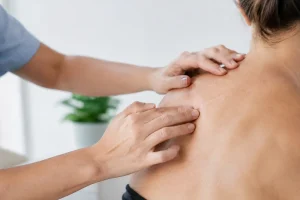
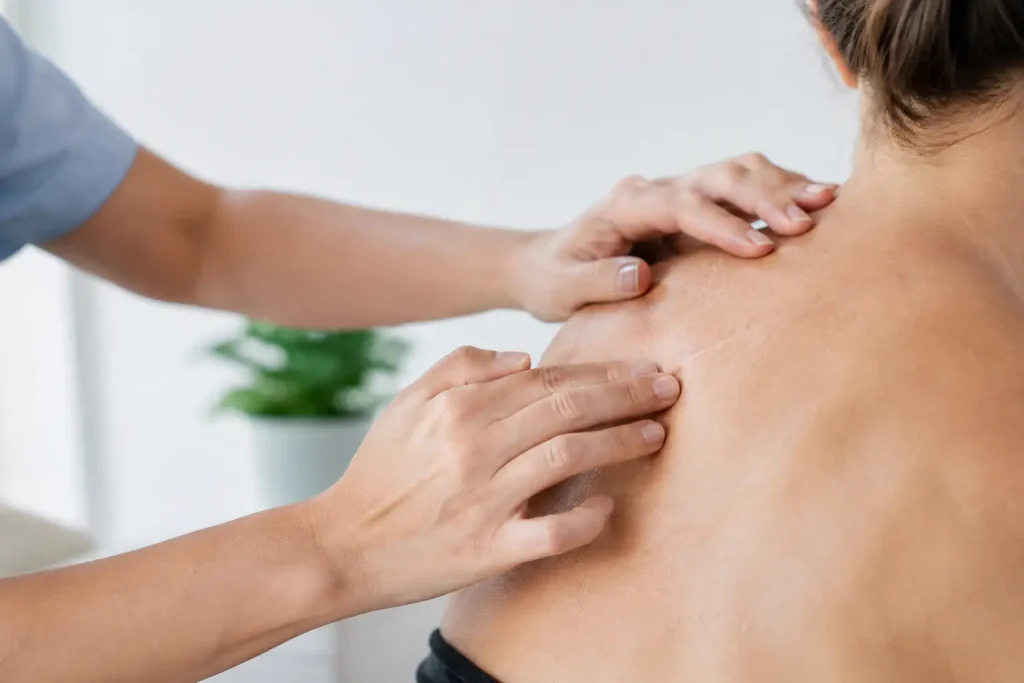
A skilled therapist may use gentle contact, small circles, lifting or rolling motions, and work around the surrounding muscles and fascia. Myofascial techniques can be especially useful when tissue around a scar feels guarded or restricted. Sessions may also include work in related areas, such as the hips and low back for an abdominal scar, or the chest and upper back for a scar near the shoulder.
People often seek this kind of care because they are experiencing one or more of the following concerns:
- A healed scar that feels tight, thick, or less mobile than nearby skin
- Pulling or stiffness during everyday movement, exercise, or stretching
- Tenderness around the scar or tension in the tissues nearby
- A sense that one area of the body is compensating for another
- Discomfort as swelling resolves after a procedure, when cleared for appropriate care
Results vary. Some clients feel more ease after one session, while others benefit from gradual work over several appointments. Long-standing scars can still respond to gentle attention, but they may require patience. The body often responds best when pressure is adjusted carefully and treatment is paired with simple movement, hydration, and appropriate follow-up care.
When to Wait Before Having Scar Tissue Massage
Timing matters more than intensity. Massage should not be performed directly over an open wound, a fresh incision, active drainage, or skin that has not fully healed. If there is redness that is spreading, unusual warmth, fever, increasing pain, a rash, or any sign of infection, contact your medical provider instead of scheduling bodywork.
You should also wait for medical clearance after surgery, particularly after cosmetic procedures. Post-plastic-surgery recovery has specific needs, and the correct approach may involve gentle Manual Lymph Drainage rather than traditional massage pressure. In the early stages, the priority is supporting the body’s recovery plan, managing swelling as directed, and protecting healing tissue.
People taking blood thinners, managing diabetes, living with certain autoimmune conditions, having a history of blood clots, or receiving cancer treatment should discuss massage with their medical team. This does not automatically mean massage is off limits. It means the session should be planned with the right precautions.
Pain is also useful feedback. Scar work can feel tender or unfamiliar, but it should not feel sharp, overwhelming, or leave you significantly more sore for days. More pressure is not better. If your body braces against touch, a lighter approach is often the more productive choice.
What a Personalized Session Can Look Like
At Healing Key Spa, a scar-focused session begins with listening. You can share how the scar happened, how long ago it healed, what movements feel difficult, and what your doctor or surgeon has recommended. Your therapist can then assess the tissue visually and through gentle touch, while respecting privacy, comfort, and appropriate draping at every step.
Treatment may begin away from the scar itself. If the surrounding muscles are tense, starting with calming, therapeutic work can help the body relax before any local techniques are introduced. Depending on your needs, your therapist may combine gentle scar mobilization with myofascial release, targeted massage, or lymphatic-support techniques that fit your stage of recovery.
Communication stays active throughout the appointment. You should always be able to ask for lighter pressure, request a pause, or let your therapist know when something feels too sensitive. A good session is not something you have to endure. It should feel measured, responsive, and centered on helping you move and rest more comfortably.
For clients recovering from cosmetic surgery, certified Manual Lymph Drainage using the Vodder Technique may be appropriate when approved by the surgical team. This light, rhythmic method is different from deep tissue massage. It is designed to support lymphatic flow and may help manage postoperative swelling as part of a professionally guided recovery plan. The treatment plan should always follow your surgeon’s instructions.
How to Care for a Healed Scar Between Sessions
Your therapist may suggest simple home care, but recommendations should match your healing stage and provider guidance. For a fully healed scar, gentle self-massage with clean hands can sometimes help you become more familiar with the area and notice changes in sensitivity or mobility. Start lightly and stop if you feel sharp pain, irritation, or increased swelling.
Moisturizing can reduce surface dryness, though it does not replace hands-on treatment or medical care. Comfortable mobility work can also be valuable. Slow shoulder circles, easy walking, relaxed breathing, or a doctor-approved stretch may help your body feel less guarded around a scar. The best movement is the one you can perform without forcing through pain.
Pay attention to how your body responds over the next 24 to 48 hours. Mild tenderness can happen after manual work, especially around tissue that has been sensitive or restricted for a long time. Increased redness, swelling, heat, or ongoing pain deserves a call to your healthcare provider.
A Gentle Approach Supports Better Movement
A scar does not have to dictate how you move or how comfortable you feel in your body. With proper healing, medical clearance, and an approach that respects your comfort level, scar tissue massage may help ease restrictions and reconnect you with movement that feels more natural.
If a healed scar is still asking for your attention, begin with a conversation. Bring your questions, your recovery instructions, and your goals for feeling better in your body. Careful, informed touch can be one meaningful part of finding your healing.