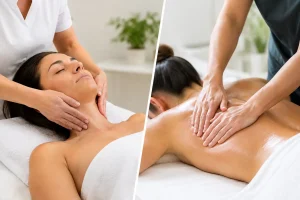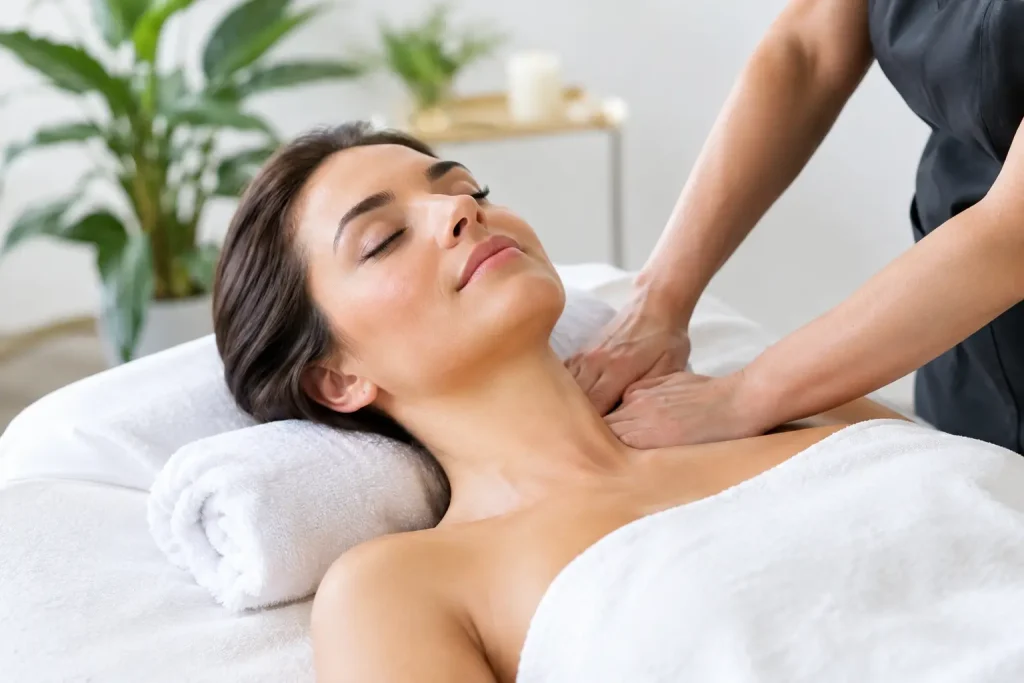
A swollen, tight, uncomfortable body can make even simple movement feel like work. That is why lymphatic massage testimonials often focus on more than relaxation. People describe feeling lighter, less restricted, more comfortable in their clothes, or better able to rest during recovery. Those experiences matter, but they are most helpful when read with clear expectations.
Lymphatic massage is not a one-size-fits-all service, especially after cosmetic surgery or during periods of noticeable swelling and discomfort. A thoughtful session considers your health history, timing, sensitivity, surgical instructions when applicable, and how your body is responding that day. The best testimonials reveal that kind of attentive care.
Why Lymphatic Massage Testimonials Matter
A testimonial can tell you what a treatment felt like from the client’s side. Did the therapist listen? Was the pressure gentle and appropriate? Did the client feel safe asking questions? Did they leave with a clearer sense of what to expect next?
For someone considering Manual Lymph Drainage, these details are often more valuable than broad claims about dramatic results. The lymphatic system helps move fluid through the body, and manual lymphatic techniques are intentionally light, rhythmic, and precise. This is very different from deep tissue massage. A review that praises a therapist for using the right touch, adapting to tenderness, and explaining the process may signal a more informed experience than one that only promises a quick transformation.
Results can vary widely. Your body may be responding to surgery, inflammation, stress, hydration, activity level, medications, sleep, or an underlying health concern. A client’s positive outcome is encouraging, but it should not be treated as a guarantee of your own timeline.
The Experiences People Commonly Describe
Many clients seek lymphatic support because they feel puffy, heavy, stiff, or uncomfortable. In testimonials, the most believable improvements tend to be specific and practical: less tightness through the midsection, more ease when walking, a calmer feeling in the body, or relief from the pressure of fluid retention.
Post-surgery clients may describe feeling more comfortable during the recovery process and more confident after receiving gentle, knowledgeable care. They often appreciate a therapist who understands that recovery is not just physical. It can be emotional, too. Feeling exposed, sore, impatient, or uncertain about normal changes in swelling is common. A calm, respectful treatment environment can make a real difference.
Others are not recovering from surgery at all. Working professionals, active adults, and people with demanding routines may book lymphatic massage when they feel run down, swollen after travel, or generally disconnected from their body. Their testimonials may mention deep relaxation, refreshed energy, or a sense that their body finally had room to settle.
These are meaningful outcomes, but they are personal experiences rather than medical promises. Lymphatic massage should support your wellness and recovery plan, not replace guidance from a physician or surgeon.
What a helpful review tends to include
Look for details that show care rather than hype. A strong testimonial may mention that the therapist asked about the client’s concerns, adjusted positioning for comfort, checked in about pressure, or provided realistic guidance about follow-up sessions. For post-plastic-surgery care, it is especially reassuring when a review describes a therapist who respected the client’s surgeon-directed recovery plan.
It is also useful when clients talk about the setting. Recovery care requires trust. A clean, private, comfortable space and clear communication before an appointment can help a person arrive feeling less anxious and more prepared.
What Testimonials Cannot Tell You
Even glowing reviews cannot diagnose the cause of swelling or determine whether lymphatic massage is appropriate for you. New, sudden, painful, one-sided, or unexplained swelling deserves medical attention. Fever, redness, shortness of breath, chest pain, open wounds, signs of infection, or a concern about blood clots are reasons to contact a medical professional promptly rather than book a massage.
There are also times when massage needs to be postponed or modified. If you are recovering from a procedure, your surgeon’s clearance and aftercare instructions come first. The right timing for post-operative lymphatic care depends on the procedure, your healing progress, and your individual medical needs.
A review also cannot tell you whether the technique was appropriate behind the scenes. Lymphatic work requires training, restraint, and attention to the body’s signals. More pressure is not better. If a provider treats lymphatic massage like an aggressive sculpting session, that is a reason to ask questions.
Lymphatic Massage Testimonials for Post-Surgery Recovery
Post-surgery testimonials can be especially powerful because clients are often looking for reassurance. They may have read conflicting advice online, felt surprised by the intensity of swelling, or worried that discomfort will slow their return to normal activities. The most useful stories do not make recovery sound effortless. They describe a supported process.
Pay attention to whether clients mention communication with their medical team and a therapist who understood post-operative precautions. A trained practitioner should never pressure you to begin before you are cleared, promise to speed up healing beyond what your body can safely do, or dismiss pain that needs medical evaluation.
At Healing Key Spa, lymphatic care is approached as individualized support, with training in Manual Lymph Drainage using the Vodder Technique and post-plastic-surgery lymphatic care. That distinction matters because a recovering body needs a different approach than a body seeking a vigorous therapeutic massage for chronic shoulder tension.
A realistic post-surgery review may describe a series of appointments rather than a single miracle session. Swelling can change from week to week. Some days may feel noticeably better; other days may require gentler work, extra rest, or a conversation with your surgeon. Consistency and careful observation are often more valuable than chasing instant results.
Questions to Ask Before You Book
Testimonials can help narrow your search, but a short conversation before booking can tell you far more about fit. Ask whether the provider has specific lymphatic drainage and post-operative training, how they adapt sessions for tenderness, and what information they need from your surgeon or physician.
You can also ask what the appointment will feel like. Many first-time clients expect firm massage and are surprised by how light Manual Lymph Drainage can be. Knowing that beforehand helps you arrive ready for the technique instead of judging its effectiveness by how intense it feels.
If you are seeking care after cosmetic surgery, ask about scheduling and whether the provider can work within your surgeon’s instructions. If your main concern is general puffiness, stress, or a feeling of heaviness, share your health history honestly. A qualified therapist should be willing to explain when a session is appropriate, when it should be adjusted, and when another type of care is the better next step.
Let Your Own Body Be Part of the Review
The most meaningful measure is not whether your experience matches someone else’s. It is whether you feel heard, comfortable, and appropriately cared for from the first conversation through the end of your session. Notice how your body responds over time: your comfort, movement, swelling patterns, rest, and overall sense of well-being.
Choose a practitioner whose skill gives you confidence, whose approach respects your recovery, and whose care leaves room for your body’s own pace. Relief is not always loud or instant. Sometimes it begins with feeling safe enough to breathe, rest, and let your body receive the support it has been asking for.