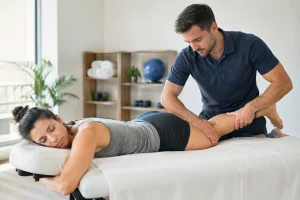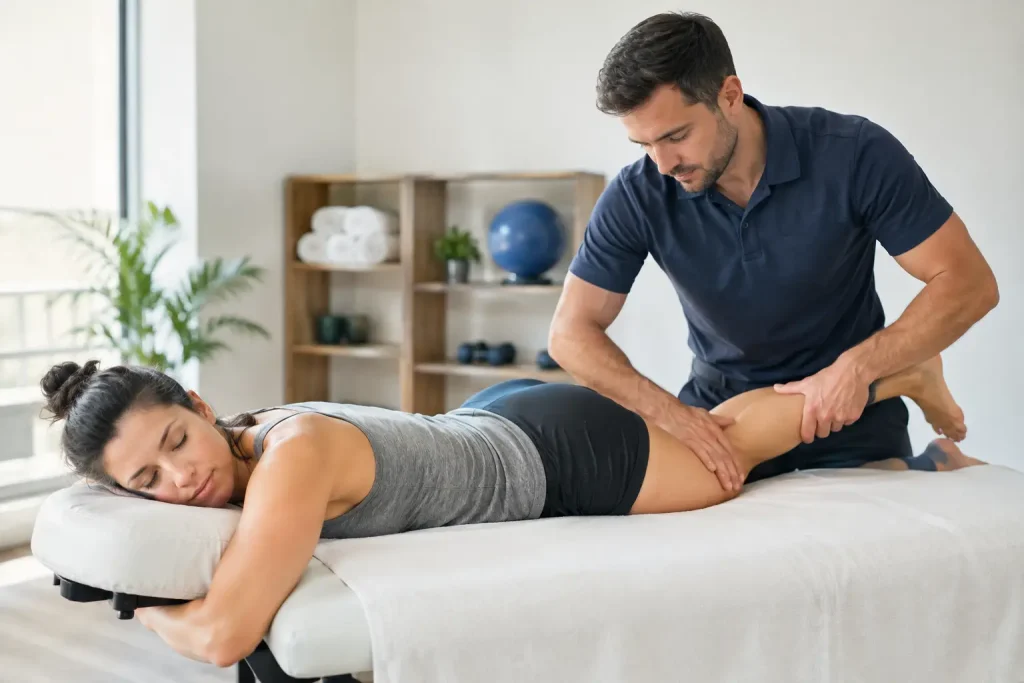
A stiff neck when you check your blind spot, hips that protest after a long drive, or shoulders that feel stuck overhead can make everyday movement feel far bigger than it should. Massage for mobility is not about forcing your body into a deeper stretch. It is thoughtful, hands-on care that helps reduce guarding, ease muscle tension, and give your body a better opportunity to move comfortably again.
When pain, stress, training, repetitive work, or recovery changes the way you move, your body often compensates. One tight area can ask another area to work too hard. A personalized massage session can help interrupt that pattern by addressing the tissues that feel restricted while considering the movements that matter most to you.
What massage for mobility can support
Mobility is your ability to move with control through the range of motion available to you. Flexibility is part of that picture, but it is not the whole story. You can be flexible and still feel unstable, tight, or uncomfortable during a squat, reach, walk, or rotation.
Therapeutic massage supports mobility by working with muscles and connective tissue that may be holding tension or limiting comfortable movement. Deep tissue-oriented techniques, myofascial release, and focused massage can encourage tight areas to soften so movement feels less restricted. For many clients, the result is not dramatic contortion. It is something more useful: turning your head with less pulling, standing straighter after desk work, lifting an arm more comfortably, or walking without feeling as though your hips are locked up.
Massage may also help you become more aware of where you hold tension. That awareness matters. If your shoulders rise toward your ears every time work gets stressful, or one hip always tightens after a run, recognizing the pattern is the first step toward responding to it sooner.
Results vary based on the source of restriction, your activity level, stress, sleep, previous injuries, and how long the issue has been present. Massage can be an excellent part of a mobility plan, but it is not a replacement for medical evaluation, physical therapy, or rehabilitation when those are needed.
Why tightness is not always the real problem
The spot that hurts is not always the spot that needs the most attention. A sore low back, for example, may be influenced by overworked glutes, hip tension, tight thighs, prolonged sitting, or a movement habit that keeps asking the back to do too much. Shoulder discomfort can be connected to the chest, upper back, neck, or the way you use your arms at work.
That is why a one-size-fits-all massage can miss the mark. Effective bodywork begins with listening. What movements are limited? When do you feel the discomfort? Did it begin after exercise, a demanding work week, travel, surgery, or an old injury flaring up? The answers help guide the session.
At Healing Key Spa, treatment can be adjusted for your comfort, goals, and response on the table. Some clients benefit from slower myofascial work that gives restricted tissue time to release. Others need more focused therapeutic pressure in the glutes, upper back, calves, or shoulders. Pressure alone is not what makes a session effective. The right pressure, in the right place, at the right pace is what matters.
Massage and movement work best together
A massage can create a valuable window of ease, but what you do after the session helps determine how long that feeling lasts. When tissues are less guarded, gentle movement can reinforce the new sense of freedom without overwhelming your body.
You do not need an intense workout after bodywork. A relaxed walk, easy hip circles, comfortable shoulder mobility, or a few minutes of mindful stretching may be enough. Pay attention to how your body feels rather than chasing a certain depth or number of repetitions. If a movement creates sharp pain, numbness, tingling, or instability, stop and seek appropriate medical guidance.
Hydration, sleep, and recovery also affect how you feel after massage. Your body may feel lighter right away, or it may need a day or two to settle, especially after focused work on longstanding tension. Mild tenderness can happen after a deeper therapeutic session, much like after unfamiliar exercise. It should not feel alarming or make you unable to function normally.
For desk-bound bodies
Long hours at a computer often create a familiar combination: forward head posture, chest tightness, upper-back fatigue, and hips that feel shortened from sitting. Massage can help soothe the areas doing too much work, particularly the neck, shoulders, forearms, glutes, and low back.
The most helpful approach is usually consistent rather than aggressive. A session paired with brief movement breaks during the workday can be more supportive than waiting until discomfort becomes severe. Even standing up, taking a short walk, and gently opening the chest between meetings gives your body useful variety.
For active adults and athletes
Training can improve mobility, but it can also reveal imbalances and overuse patterns. Runners may notice calves and hips that feel constantly tight. Lifters may struggle with shoulder or thoracic spine stiffness. Weekend athletes can feel great during activity, then discover soreness and limited motion the next morning.
Massage can support recovery by helping overworked muscles relax and by making it easier to notice areas that need attention before they become a bigger interruption. Timing matters, though. A very deep session immediately before a major event may leave you feeling tender or unusually relaxed. Before competition, lighter work may be a better fit. After demanding training, focused therapeutic massage may be more appropriate once your body is ready for it.
When specialized recovery care matters
Mobility concerns can look different after cosmetic surgery, injury, or a period of reduced activity. Post-plastic-surgery clients need care that respects healing timelines, surgeon instructions, and the body’s changing needs. This is not the time for standard deep tissue work over sensitive or healing areas.
Manual Lymph Drainage using the Vodder Technique is a gentle, specialized approach designed to support lymphatic flow and comfort during appropriate stages of recovery. Certified post-surgery lymphatic care can be part of a carefully coordinated recovery plan, but clients should always follow their surgeon’s guidance and disclose all procedures, medications, symptoms, and restrictions.
If you have a fever, active infection, unexplained swelling, a blood clotting concern, acute injury, new severe pain, or changes in sensation, postpone massage and contact a medical professional. A skilled therapist welcomes these conversations because safety is part of good care.
Choosing the right kind of session
A mobility-focused session does not have to mean intense pressure from start to finish. In fact, pushing too hard can make the body guard even more. The goal is to leave you feeling cared for and more connected to your body, not as though you had to endure the appointment.
Before your session, think about one or two practical goals. Maybe you want to turn your head more easily while driving, return to walks without hip tightness, recover after travel, or feel less restricted during workouts. Share what has helped before and what has not. Let your therapist know about surgeries, injuries, health conditions, sensitivities, and preferred pressure.
During the massage, speak up. Therapeutic work can be focused without being overwhelming. Breathing should remain easy, and you should be able to relax into the table. A good session adapts as your body responds.
Your body does a lot for you every day. Giving it skilled attention is not an indulgence when pain and restriction are getting in the way of work, rest, exercise, or simple daily comfort. Start with the movement you miss most, and let that goal guide the care you choose.