A massage can feel deeply restorative, but not every massage is designed to do the same job. When clients ask about lymphatic massage versus regular massage, the best answer starts with what their body needs right now: less muscle tension, support for swelling, a calmer nervous system, improved mobility, or attentive care during surgical recovery.
At Healing Key Spa, every session begins with listening. The pressure, pace, and technique should fit your goals, not force your body into a one-size-fits-all treatment. Here is how these two approaches differ and how to choose the care that feels right for you.
Lymphatic Massage Versus Regular Massage: The Core Difference
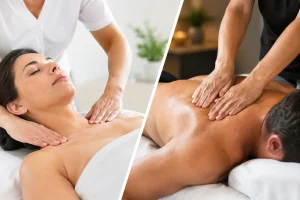
Regular massage works primarily with muscles and other soft tissues. Depending on the session, it may use light to firm pressure to address tightness, soreness, knots, restricted movement, and stress held in the body. Therapeutic massage, deep-tissue-oriented work, myofascial release, and relaxation massage can all fall under this broad category.
Lymphatic massage, also called Manual Lymph Drainage or MLD, has a different focus. It uses gentle, rhythmic, precise movements intended to encourage the natural flow of lymph fluid toward lymph nodes. The lymphatic system is part of the body’s immune and fluid-balance system. It helps move excess fluid and cellular waste through the body.
That difference matters because more pressure is not always better. A sore shoulder from long hours at a desk may respond well to focused therapeutic bodywork. Swelling after a cosmetic procedure calls for a much lighter, specialized approach. The goal is not to work out a knot. It is to support fluid movement without overloading sensitive tissue.
What Regular Massage Is Best For
Regular massage is often the better choice when your main concern is muscular discomfort or stress. A skilled therapist may blend techniques based on what they find during your session, adjusting pressure to help you feel relief without leaving you overly sore.
This approach can be especially helpful for people dealing with recurring neck and shoulder tension, low-back tightness, hip discomfort, post-workout soreness, or the physical effects of a demanding job. Many clients also choose regular massage because they simply need an hour away from the daily grind – a chance to breathe, rest, and leave feeling more comfortable in their body.
Therapeutic work is targeted, not automatically intense
Deep tissue does not need to mean painful. In fact, chasing pain can cause the body to guard and tighten further. Therapeutic massage is most effective when the pressure is purposeful, responsive, and adjusted to your tolerance.
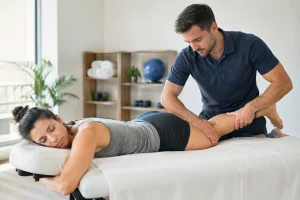
For example, a therapist may spend more time addressing myofascial restrictions around the upper back and chest when shoulder movement is limited. Someone with heavy legs after training may benefit from circulation-focused strokes and careful work through the calves, glutes, and hips. The session can be relaxing, but the priority is often better movement and less persistent tension.
What Lymphatic Massage Is Best For
Lymphatic massage uses a much softer touch than most people expect. The lymph vessels near the skin’s surface respond to gentle skin-stretching movements, so aggressive pressure is not necessary and may not be appropriate.
People often seek this service when they feel puffy or swollen, want support for fluid retention, or are preparing for or recovering from cosmetic surgery. Certified post-plastic-surgery lymphatic care can be particularly valuable after procedures such as liposuction, tummy tuck, Brazilian butt lift, or breast surgery, when the body needs thoughtful, provider-approved support through recovery.
At Healing Key Spa, Manual Lymph Drainage is performed using the Vodder Technique, a recognized method that uses specific sequences and pressure to support lymphatic flow. It is a specialized service, not simply a light relaxation massage with a new name.
Post-surgery care requires a higher level of attention
After plastic surgery, the body is healing. Bruising, tenderness, swelling, fibrosis risk, incision sites, compression garments, and your surgeon’s instructions all matter. The right timing and technique depend on your procedure and recovery plan.
A trained lymphatic practitioner can provide gentle, individualized care within those guidelines. This may help clients feel more comfortable as swelling changes and healing progresses, but it should never replace medical follow-up. Always get clearance from your surgeon and share any restrictions before booking.
How the Experience Feels Different
The sensation is one of the clearest ways to compare lymphatic massage versus regular massage. During a therapeutic or regular massage, you may feel broad gliding strokes, kneading, stretching, focused pressure, and work around areas of restriction. Some spots may be tender, especially when muscles are chronically tight, but communication helps keep the treatment productive and comfortable.
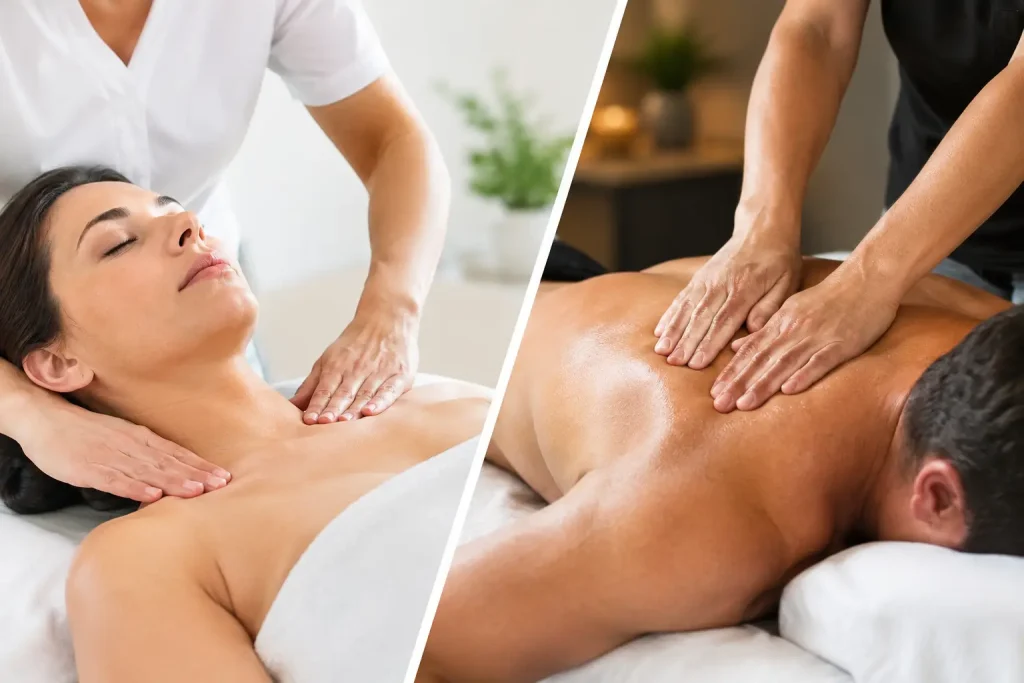
During lymphatic massage, the touch is slow, light, and methodical. It may feel calming enough that you wonder whether much is happening. That gentle approach is intentional. Some people notice a sense of lightness afterward, while others feel relaxed, sleepy, or more aware of their body’s natural need to hydrate and rest.
Neither experience is automatically better. They are designed for different outcomes.
Can You Combine Lymphatic and Regular Massage?
Sometimes, yes. A tailored session may include gentle lymphatic techniques alongside relaxing massage where appropriate. But combining methods should be based on your health history, current symptoms, recovery status, and treatment goals.
For instance, someone managing everyday stress and mild puffiness may benefit from a balanced, gentle session. Someone newly recovering from surgery may need dedicated lymphatic work only, with no deep pressure near healing tissues. A client with significant muscle pain may need therapeutic massage first, while lymphatic techniques could be considered separately if swelling is also a concern.
Your body does not always fit neatly into one service description. That is why an honest conversation before treatment matters more than choosing a service based on a trend or a social media recommendation.
When to Pause and Ask Your Doctor First
Massage can be a meaningful part of self-care and recovery, but there are times to get medical guidance before scheduling. Avoid lymphatic massage or seek clearance first if you have an active infection, fever, unexplained swelling, a suspected or known blood clot, uncontrolled heart or kidney concerns, active cancer treatment, or a condition affecting the lymphatic system.
The same caution applies to regular massage when you have a new injury, severe pain, unexplained numbness, open wounds, or a recent procedure. If swelling is sudden, one-sided, red, hot, or painful, seek medical evaluation promptly rather than trying to massage it away.
A knowledgeable massage therapist can work within a wellness scope of practice, recognize when a referral is needed, and create a more comfortable experience when you have appropriate clearance.
Choosing the Right Massage for Your Goal
If your body feels tight, achy, overworked, or stressed, regular therapeutic massage is often the natural place to start. It can help address the muscle patterns that make turning your head, sitting at a desk, training, or sleeping comfortably feel harder than it should.
If your focus is swelling, fluid support, or post-cosmetic-surgery recovery, specialized lymphatic massage may be the better fit. Be ready to discuss your procedure date, surgeon’s instructions, symptoms, and comfort level so your care can be planned responsibly.
If you are unsure, you do not have to diagnose your own body before reaching out. Share what you are feeling, what has changed, and what you hope to improve. The right session begins with being heard – then giving your body the thoughtful care it needs to feel lighter, move easier, and keep healing at its own pace.