The best recovery treatments after surgery are not always the most intense. In the first days and weeks, healing often asks for patience, gentle support, and close attention to what your surgical team has cleared. The goal is not to push your body to “bounce back.” It is to create the conditions for less discomfort, easier movement, calmer swelling, and confidence as you return to daily life.
Every procedure, body, and recovery timeline is different. A treatment that feels wonderful after one surgery may be inappropriate after another, especially when incisions are still healing, drains are present, or complications are a concern. Always follow your surgeon’s instructions first, and choose providers who understand how to work within those boundaries.
Start With the Recovery Basics That Matter Most
Before adding bodywork or wellness treatments, give the basics their due. Rest supports repair, but complete stillness for too long can leave the body feeling stiff and uncomfortable. Follow your provider’s guidance around short walks, posture changes, compression garments, wound care, medications, hydration, and nutrition.
Small movements can make a meaningful difference when they are approved for your stage of recovery. A brief walk through the house, gentle ankle pumps, or getting up regularly may help you feel less restricted. Do not use discomfort as a reason to force a stretch or exercise. Sharp pain, increasing swelling, warmth, redness, fever, unusual drainage, shortness of breath, or pain that suddenly worsens deserve prompt medical attention.
Recovery also has an emotional side. Surgery can interrupt routines, sleep, independence, and body confidence. Creating a quieter schedule, accepting help, and giving yourself permission to heal at your own pace can be as restorative as any appointment.
Best Recovery Treatments After Surgery: What May Help
The right treatment depends on your procedure, your surgeon’s protocol, and how your body is responding. Once you have clearance, these options can offer practical comfort and support.
Manual lymphatic drainage for approved post-surgical care
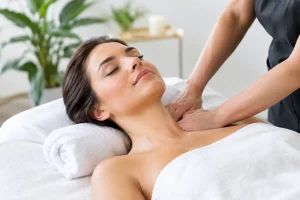
After cosmetic procedures and certain other surgeries, swelling can feel tight, heavy, and discouraging. Manual lymphatic drainage, or MLD, is a light, rhythmic technique designed to support the natural movement of lymphatic fluid. It is very different from deep tissue massage. Pressure is gentle, deliberate, and never meant to cause pain.
For clients recovering from plastic surgery, timing and technique matter. A practitioner trained in post-surgical care can work around sensitive areas, respect garment and incision instructions, and adjust each session to your comfort. Healing Key Spa offers Manual Lymph Drainage using the Vodder Technique and post-plastic-surgery lymphatic care for clients who have been medically cleared for treatment.
MLD is not a replacement for surgical follow-up or medical treatment. It should be avoided or postponed when your physician advises against it, including situations involving infection, blood clots, certain heart or kidney concerns, or unexplained symptoms. A qualified provider should ask about your procedure, date of surgery, medications, healing status, and surgeon’s recommendations before beginning.
Gentle therapeutic massage for compensating muscles
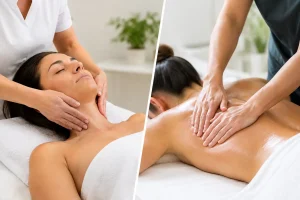
After surgery, the sorest area is not always the surgical site. Sleeping in one position, moving cautiously, using crutches, or avoiding a painful area can create tension in the neck, shoulders, low back, hips, and legs. Once approved, a gentle therapeutic massage can focus on those compensating muscles without disturbing the healing area.
This can be especially helpful for people who feel stiff from resting, working from bed, or carrying stress through their shoulders. The session should be customized, with positioning that protects tender areas and pressure that remains comfortable. Deep work directly over fresh scars, bruising, incisions, implants, or healing tissue is not appropriate.
Scar mobility work at the right time
As incisions close and mature, scar tissue may feel tight, itchy, or less flexible. Your surgeon or physical therapist may eventually recommend scar massage or mobility work. When that time comes, gentle, targeted techniques can help you become more comfortable touching and moving the area.
The key phrase is eventually. Scar work should never begin over an open wound, scab, irritated skin, or incision that has not been cleared. Some scars need more time than others, and some procedures require highly specific aftercare. Your provider should work from medical guidance, not a one-size-fits-all timeline.
Physical therapy and guided movement
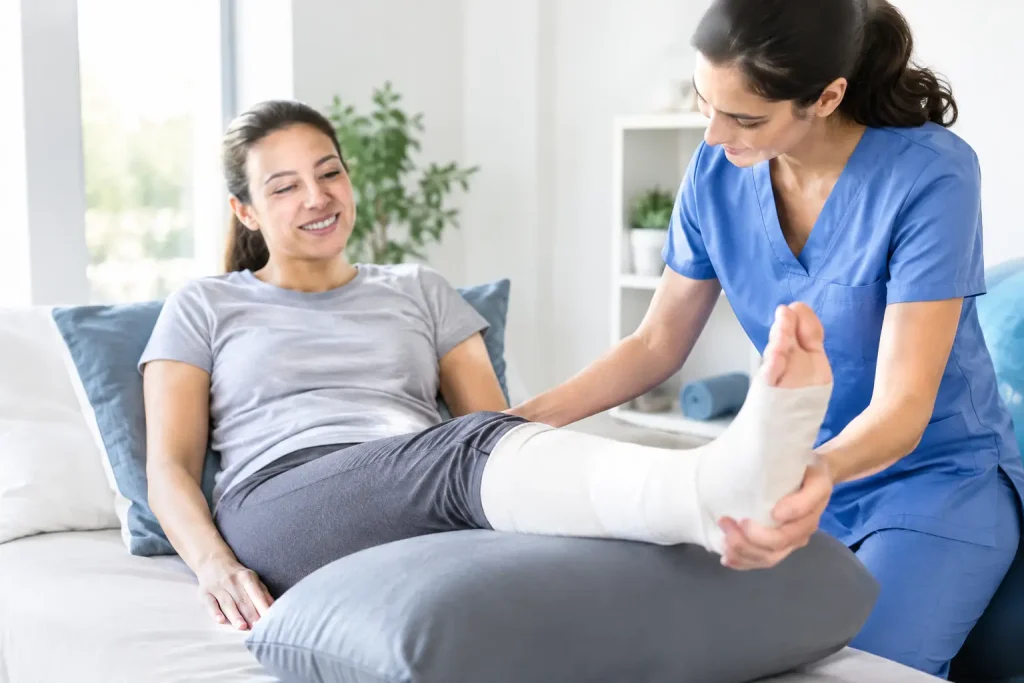
For orthopedic surgery, joint replacement, abdominal procedures, or any operation that affects mobility, physical therapy may be one of the most valuable parts of recovery. A physical therapist can help restore strength, balance, range of motion, and safe movement patterns in a structured way.
Massage and wellness care can complement that plan by easing general muscle tension and helping you relax between therapy sessions. They do not replace rehabilitation exercises prescribed by your medical team. Think of each service as having a different role: physical therapy helps retrain movement, while appropriate bodywork can help your body feel more at ease during the process.
Restorative touch for stress and sleep
Healing can make sleep difficult. Discomfort, anxiety, medications, and the challenge of finding a comfortable position can all interfere with rest. A calming, medically cleared session may help settle the nervous system and provide a much-needed break from the daily focus on recovery.
This does not have to mean a full-body massage. Sometimes the most supportive session focuses on the scalp, hands, feet, or areas far from the surgery. Gentle aromatherapy may also be pleasant for some clients, though strong scents are best avoided if nausea, headaches, or medication sensitivity are part of your recovery.
Treatments to Be Careful With After Surgery
More pressure is not more healing. Deep tissue massage, aggressive stretching, intense heat, vigorous exfoliation, cupping, vacuum therapy, body sculpting, and high-intensity workouts can be too much during early recovery. Even treatments you enjoyed before surgery may need to wait.
Cupping and vacuum-based services, for example, can create strong suction and visible marks. They are not appropriate over healing tissue or areas with swelling, bruising, numbness, or compromised sensation unless specifically cleared by your medical provider. Likewise, hot tubs, saunas, and heating pads may be restricted because heat can affect swelling and incisions.
Be cautious with anyone who promises to speed healing, “break up” post-surgical tissue immediately, or treat a complication without physician involvement. Skilled care should feel attentive, not forceful. Your body does not need to be pushed through recovery.
How to Choose a Post-Surgery Recovery Provider
Look for a provider who welcomes questions and treats your surgeon’s instructions as part of the care plan. They should ask what procedure you had, when it was performed, whether you have medical clearance, where your incisions are located, and what symptoms you are experiencing.
A good provider also knows when not to treat. You should feel comfortable sharing if you have had a change in symptoms, started a new medication, or simply do not feel ready. Recovery care should be adjusted session by session, because swelling, tenderness, energy, and mobility can change quickly.
For cosmetic-surgery recovery, ask specifically about education in manual lymphatic drainage and post-plastic-surgery care. Credentials do not replace medical oversight, but they do indicate that the practitioner understands the gentle, specialized nature of this work.
Make Comfort Part of Your Healing Plan
The most helpful post-surgery care is usually consistent rather than dramatic. Keep follow-up appointments, protect your rest, move only as instructed, and choose supportive treatments when your surgeon says the timing is right. Notice the small wins: getting out of bed more easily, taking a deeper breath, sleeping a little longer, or feeling less guarded in your movement.
Your body has already done something demanding. Give it the calm, skilled support it needs to find its way forward.