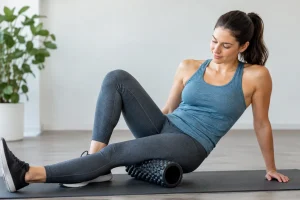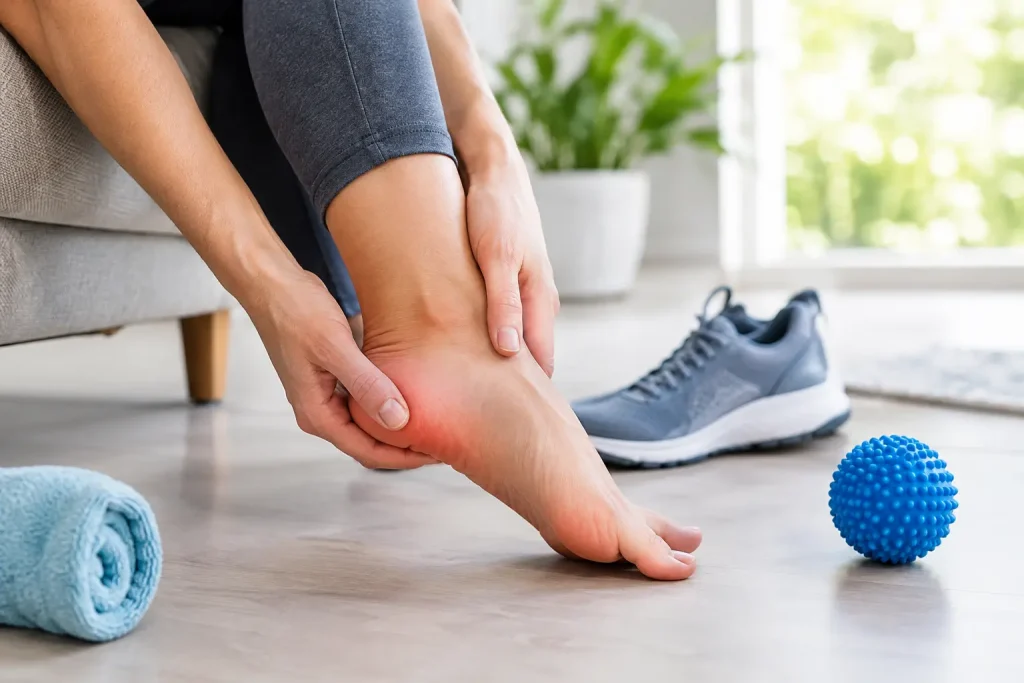
That sharp first-step heel pain can change the way you move through an entire day. You may limp from the bed to the bathroom, hesitate before a workout, or feel your feet tighten after a long shift. Learning how to ease plantar fasciitis is less about one quick fix and more about consistently reducing strain while giving your feet, calves, and lower body the support they need.
Plantar fasciitis involves irritation of the plantar fascia, a thick band of connective tissue that runs along the bottom of the foot from the heel toward the toes. It is common in runners, people who stand for work, active adults, and anyone whose footwear, activity level, or movement patterns have changed. The good news is that many people feel better with patient, practical care.
Start With the Load on Your Feet
Heel pain often gets louder when your feet are asked to do too much, too soon. That does not always mean you need to stop moving completely. In fact, total rest can leave the feet and lower legs feeling stiffer. The goal is to temporarily adjust the activities that repeatedly trigger pain.
If running, jumping, long walks, or standing on hard floors make your heel ache, reduce the duration or intensity for a period of time. Choose lower-impact movement when possible, such as cycling, swimming, or strength work that does not aggravate the foot. For professionals who cannot avoid being on their feet, short sitting breaks and a change of shoes during the day can make a meaningful difference.
Pay attention to the pattern. Pain that is worst with the first few steps in the morning or after sitting is common with plantar fasciitis. Pain that becomes severe, spreads, follows an injury, or does not improve with self-care deserves an evaluation from a qualified medical professional or podiatrist.
How to Ease Plantar Fasciitis With Daily Mobility
Gentle, consistent stretching can reduce the tight pull that travels from the calves into the heel and sole of the foot. This is not about forcing a deep stretch through pain. A mild, steady stretch is usually more helpful than aggressive pulling.
Stretch Your Calves Before They Pull on Your Heel
Tight calf muscles can limit ankle motion and place extra stress on the plantar fascia. Try a simple wall stretch: place your hands on a wall, step one foot back, and keep that back heel on the floor. With the back knee straight, gently lean forward until you feel the stretch in the upper calf. Hold for about 20 to 30 seconds, then repeat with the back knee slightly bent to reach the lower calf and Achilles area.
Do this on both sides, even if only one heel hurts. Your body works as a connected system, and uneven movement can lead to compensations in the hips, knees, or opposite foot.
Give the Bottom of Your Foot Some Attention
Before getting out of bed, sit up and gently pull your toes toward your shin. Hold the stretch for several breaths, then massage the sole of the foot with your hands. You can also slowly roll the bottom of your foot over a tennis ball or a chilled water bottle. Use light to moderate pressure. If rolling creates sharp pain, back off.
A chilled bottle can feel soothing after a long day, while a ball may be more useful for gentle mobility. Neither needs to hurt to work.
Strengthen, Do Not Only Stretch
Feet need support from strong muscles, not just flexibility. A few minutes of simple foot work can help restore control and stability. Try slowly lifting and lowering your heels while holding a counter for balance, or place a small towel under your foot and use your toes to gather it toward you. Start with a manageable number of repetitions and increase gradually as symptoms settle.
If heel raises increase pain, shorten the range of motion or wait until the area is less irritated. The right pace depends on how sensitive your foot is that day.
Choose Shoes That Support Your Day
Worn-out shoes, thin flat sandals, and unsupportive slippers can make early-morning pain worse. You do not necessarily need the most expensive shoe on the shelf, but you do need a pair that feels stable, cushioned enough for your activity, and supportive through the arch and heel.
Consider where you spend most of your time. A runner may need a different shoe strategy than a nurse, teacher, warehouse worker, or parent constantly moving around the house. If you stand on tile or concrete, a supportive indoor shoe can be just as valuable as your outdoor pair. Avoid going barefoot on hard surfaces while your symptoms are active, especially first thing in the morning.
Over-the-counter arch supports or heel cups may provide additional comfort for some people. They are not a cure-all, and the best fit is personal. If an insert creates pressure, numbness, or more pain, stop using it and seek professional guidance.
Use Recovery Tools Wisely
Ice can calm soreness after activity, particularly when the heel feels warm or irritated. Apply a cold pack wrapped in a thin towel for short sessions rather than placing ice directly on the skin. Gentle heat may feel better before stretching if your feet and calves are stiff, but it may not be the best choice when the area feels inflamed after a demanding day.
Recovery also includes sleep, hydration, and pacing. A sudden increase in training, extra shifts at work, or a weekend spent on your feet can all add up. Rather than trying to push through escalating pain, give your body a chance to catch up.
Look Beyond the Foot
The painful spot may be in the heel, but tension is rarely isolated there. Calf tightness, restricted ankle movement, overworked hips, and a gait that has changed to avoid pain can all keep the cycle going. This is where personalized therapeutic bodywork may be a helpful complement to your home routine.
At Healing Key Spa, therapeutic massage and myofascial-focused work can be tailored to address tension patterns in the feet, calves, lower legs, and surrounding areas that may be contributing to discomfort. The purpose is not to force painful pressure into an already irritated heel. Thoughtful bodywork should be adjusted to your comfort, helping release guarded muscles and support easier movement.
Massage is most useful when it is part of a broader plan that includes appropriate footwear, mobility work, and activity adjustments. If you have diabetes, reduced sensation in your feet, circulation concerns, a recent injury, unexplained swelling, or a medical condition affecting your tissues, check with your healthcare provider before receiving foot-focused bodywork.
Know When It Is Time for More Help
Many cases improve gradually, but persistent heel pain should not be ignored. Seek medical care if you cannot bear weight, notice bruising or significant swelling, have numbness or tingling, develop redness or fever, or experience pain after a fall or other injury. It is also wise to get evaluated when symptoms linger for several weeks despite consistent, sensible changes.
A clinician can help rule out other causes of heel pain and may recommend a more specific rehabilitation plan. Getting clarity can save you from spending months guessing.
Your feet carry you through work, exercise, family time, and the quiet moments in between. Treat them with the same patience you would give any overworked part of your body: a little less strain, a little more support, and steady care that helps each step feel more like your own again.