A tight, puffy feeling after surgery is different from the heaviness that can follow a long drive, a hard workout, or weeks of sitting at a desk. These lymphatic drainage recovery examples show why personalized care matters: the right approach depends on what your body is recovering from, where swelling or tension is present, and whether your medical provider has cleared hands-on treatment.
Manual Lymph Drainage is a light, intentional technique designed to support the movement of lymphatic fluid through the body. It is not deep tissue massage, and it should not be painful. At Healing Key Spa, sessions are adjusted to your comfort, recovery stage, and goals so you can feel cared for rather than rushed through a standard routine.
Lymphatic Drainage Recovery Examples in Real Life
Recovery after cosmetic surgery
One of the clearest examples is a client recovering from liposuction, a tummy tuck, breast surgery, or another cosmetic procedure. In the early recovery period, the body may feel swollen, tender, firm in certain areas, and uncomfortable in compression garments. With surgeon approval, post-plastic-surgery lymphatic care may support comfort and help address the feeling of fluid-related fullness that can make movement more difficult.
A trained provider uses gentle strokes and pays close attention to the surgical areas, incision status, drains, garments, and your surgeon’s instructions. The goal is not to force tissue to change. It is to provide thoughtful, careful support while your body heals. Timing matters here. Some clients are ready for care soon after surgery with explicit clearance, while others need to wait.
Feeling puffy after travel or long workdays
A long flight, road trip, or demanding week at a desk can leave the legs and feet feeling heavy. For a client who spends hours standing at work, the same discomfort may show up around the ankles and calves. When there is no underlying medical concern, gentle lymphatic-focused work can be a calming addition to a recovery routine that also includes hydration, regular movement, and rest.
This is not a substitute for medical evaluation. New one-sided swelling, sudden pain, warmth, redness, chest pain, or shortness of breath need prompt medical attention. But for everyday sluggishness and stress-related tension, a session can create a welcome reset and encourage you to slow down long enough to notice what your body needs.
Post-workout soreness and training fatigue
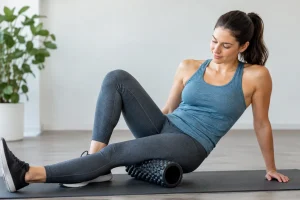
Athletes and active adults often expect recovery to mean hard pressure everywhere. Sometimes deep tissue work is appropriate for muscular restrictions. Other times, particularly after a demanding event or an intense training block, the body responds better to a lighter touch.
For example, a runner with tired legs may benefit from a recovery plan that combines gentle lymphatic techniques with targeted massage in areas that are not acutely inflamed. A strength athlete may need focused work around overworked hips, shoulders, or calves, along with a less intense approach to support relaxation. The best choice depends on soreness, training load, hydration, sleep, and any injury history.
Stress, poor sleep, and a body that feels stuck
Stress does not stay neatly in the mind. It can show up as a clenched jaw, shallow breathing, tense shoulders, digestive discomfort, and the feeling that your whole system is running too fast. In this situation, lymphatic-style work may be part of a broader restorative session rather than the only technique used.
A therapist may pair gentle drainage with calming massage, aromatherapy, or attention to the neck and shoulders. The immediate benefit many clients notice is not a dramatic physical transformation. It is a deeper exhale, a quieter nervous system, and the relief of being able to move without carrying so much tension.
What a Lymphatic Recovery Session Can Feel Like
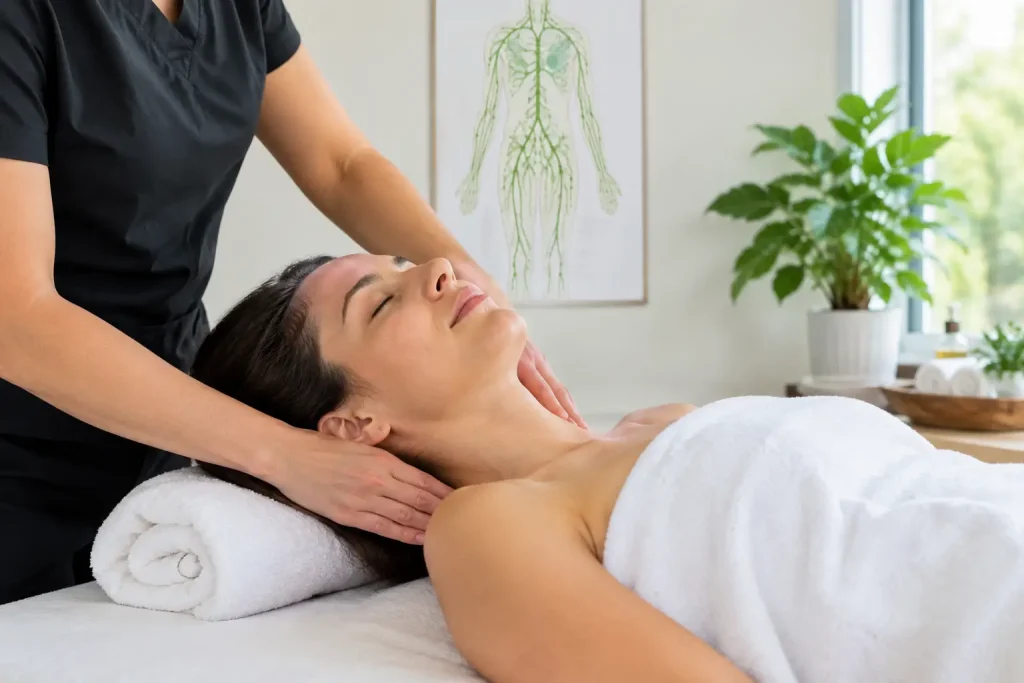
Manual Lymph Drainage using the Vodder Technique is precise and gentle. The pressure is usually much lighter than a traditional therapeutic or deep tissue massage because the lymphatic vessels sit close to the surface of the skin. A session may include soft rhythmic movements, focused work near key lymph node regions, and positioning that helps you stay relaxed and comfortable.
If you are accustomed to massage that “hurts so good,” this can feel surprisingly subtle. More pressure is not better in lymphatic work. Skilled care means choosing the technique that fits the purpose of your appointment, whether that is post-surgery support, relaxation, or relief from a sense of heaviness.
You may feel relaxed or sleepy afterward. Some people notice they are thirstier, use the restroom more often, or simply feel less tight. Responses vary, and no session can promise a specific result. Consistent care, following post-operative instructions, gentle movement when approved, hydration, and rest often work together better than relying on one treatment alone.
When Personalized Care Makes the Difference
Online recovery advice can make every swelling concern sound like it has one answer. It does not. A client recovering from surgery needs a different plan than a client preparing for a race, and both need a different approach than someone dealing with chronic neck tension from computer work.
Before your appointment, be ready to share the details that affect your care: the procedure or activity you are recovering from, the date it happened, current symptoms, medications, areas of sensitivity, and any instructions from your doctor or surgeon. For post-operative clients, clearance from the surgical team is especially valuable. It helps your therapist provide care that respects your healing timeline.
There are also times to postpone massage and speak with a medical professional first. Avoid self-treating unexplained swelling, fever, active infection, suspected blood clot, uncontrolled heart or kidney conditions, or sudden changes in your symptoms. Gentle does not mean risk-free when the cause of swelling has not been identified.
How to Support Your Recovery Between Sessions
Your treatment does not end when you leave the table. Small, practical habits can make daily recovery feel more manageable. Follow your surgeon’s garment and activity instructions if you have had a procedure. If you are recovering from exercise or a stressful week, give your body the basics it needs: water, nourishing meals, enough sleep, and short walks or mobility work that feel comfortable.
Try not to chase quick fixes. Aggressive massage, extreme heat, or pushing through pain can be counterproductive, especially after surgery. Pay attention to patterns instead. Does swelling increase after long periods of sitting? Does your shoulder tighten after certain workouts? That information helps create a session that is truly tailored to you.
The most helpful recovery plan is one that respects where your body is today. Whether you need gentle post-surgery support, relief after a long week, or a calmer path back to movement, attentive care can help you feel more comfortable in your body while you give healing the time it deserves.