That pulling feeling when you reach overhead, turn your head, or stand up after a long drive is not always a muscle problem alone. Fascia – the connective tissue that surrounds and supports muscles, nerves, and other structures – can become sensitive and restricted when your body has been under stress, inactive, overworked, injured, or simply asked to do the same motions every day. Learning how to reduce fascial tightness can help you move with less resistance, feel more comfortable in your body, and get back to the activities that make you feel like yourself.
Fascial tightness is often described as stiffness, a ropey or stuck sensation, limited range of motion, or an ache that seems to spread beyond one specific muscle. It may show up in the neck and shoulders after computer work, through the low back and hips after sitting, or in the legs after demanding workouts. Relief usually does not come from one aggressive stretch or a single treatment. It comes from giving your body consistent, thoughtful support.
What Fascial Tightness Can Feel Like
Fascia is designed to glide as you move. When tissues are irritated, guarded, dehydrated, or repeatedly loaded without enough recovery, that glide may feel less comfortable. Your nervous system can also increase muscle tension when it perceives stress, pain, poor sleep, or a threat of reinjury. That is why tightness can feel very real even when there is not one obvious knot to blame.
Common signs include a feeling of restriction after rest, stiffness that eases somewhat once you warm up, tenderness in broad areas rather than one pinpoint spot, and movement that feels uneven from one side to the other. You may notice that a squat pulls through the hips, that your upper back resists rotation, or that your feet and calves feel tight after standing all day.
This does not mean you need to force your body to loosen. Painful pressure can make an already protective area brace harder. A better approach is gradual: restore movement, reduce irritation, support recovery, and use skilled hands-on care when tension is not responding on its own.
How to Reduce Fascial Tightness Safely
Start with easy, frequent movement
Long periods in one position are a common trigger for stiffness. You do not need an intense workout to interrupt that pattern. A few minutes of gentle movement every hour or two can be more useful than waiting until your body feels completely locked up.
Try a short walk, slow shoulder rolls, easy spinal rotations, ankle circles, or standing hip shifts. Choose motions that feel smooth and controlled rather than forcing a deep range. If you sit for work, stand up before discomfort becomes severe. If you train hard, include a cool-down that brings your breathing and pace down gradually.
Consistency matters more than intensity. Think of movement as a signal to your body that it is safe to use the range you have.
Use mobility before deep stretching
Stretching can feel good, but more is not always better. Holding a strong stretch against sharp pain, tingling, or a strong pulling sensation can leave tissue feeling more irritated. Instead, begin with active mobility: move gently into a comfortable range, then return. This helps you practice control rather than asking your body to tolerate force.
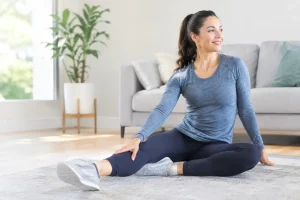
For example, someone with tight hips may benefit from slow leg swings, supported hip circles, and bodyweight sit-to-stands before attempting a long hip stretch. For a tight upper body, try controlled wall slides or open-book rotations before pulling hard on the shoulders.
When you do stretch, use steady breathing and moderate intensity. You should feel a mild sensation, not a fight. The goal is improved comfort and motion over time, not winning a flexibility contest in one session.
Pair self-massage with awareness
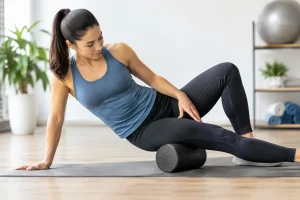
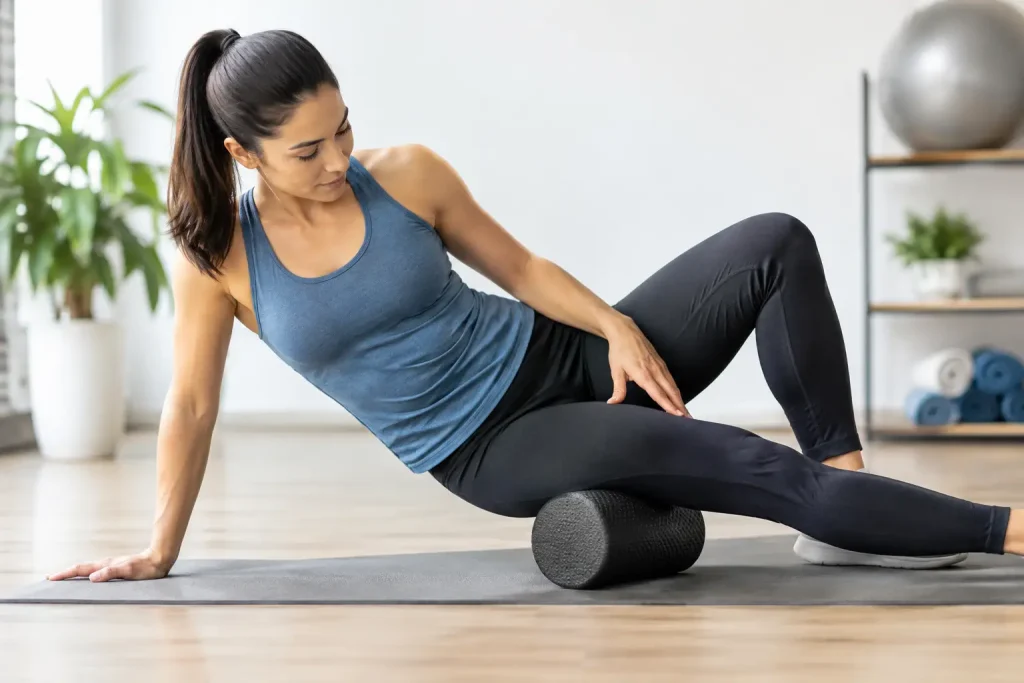
Foam rollers, massage balls, and gentle self-massage tools can provide temporary relief and help you notice areas that need more attention. Use them slowly. Spend 30 to 60 seconds in a region, breathe normally, and avoid rolling directly over joints, the front of the neck, bony areas, or places with sharp pain.
More pressure is not automatically more effective. If you are holding your breath, wincing, or feeling bruised the next day, ease up. Gentle pressure often works better because it allows your muscles and nervous system to settle instead of defend.
Self-massage is most helpful when followed by easy movement. After rolling the calves, take a short walk. After using a ball around the upper back, do a few comfortable arm circles. This helps your body use the mobility you have just created.
Support recovery outside the treatment room
Your daily recovery habits influence how your body feels. Hydration supports normal tissue health, although drinking extra water will not instantly erase tightness. Regular meals, adequate protein, sleep, and stress management also matter because your body repairs and adapts during recovery, not only during exercise or work.
Pay attention to your patterns. A tight low back may be connected to a long commute, poor sleep, a sudden increase in lifting, or a workstation that keeps you twisted toward one screen. A stiff neck may be aggravated by hours spent looking down at a phone. You do not need a perfect routine. One practical adjustment, repeated consistently, can make a meaningful difference.
When Personalized Bodywork Helps
If tightness keeps returning, a tailored massage or myofascial release session can help identify the areas that may be contributing to your discomfort. The painful spot is not always the whole story. Shoulder tension may be influenced by the chest, upper back, jaw, or the way you carry stress. Hip discomfort may be connected to the low back, glutes, thighs, or feet.
At Healing Key Spa, bodywork is adjusted to your goals, comfort level, and the way your body responds that day. A therapeutic massage may combine focused work for stubborn tension with calming techniques that help your whole system settle. Myofascial release uses sustained, attentive contact to address restrictions without the rushed, painful approach some people expect from deep tissue work.
Deep pressure can be useful for some clients, but it is not the only path to relief. The right amount of pressure depends on your sensitivity, activity level, health history, and whether your tissues are actively inflamed. A skilled session should leave you feeling more open, grounded, and able to move – not punished.
Cupping or vacuum therapy may also be appropriate for certain muscle tightness and mobility concerns. These methods can create a lifting sensation in the tissue and may temporarily leave circular marks. They are not right for everyone, especially with certain medical conditions, skin concerns, medications, or recent procedures, so a consultation matters.
Be Especially Careful After Surgery or Injury
Post-surgery tightness requires a different approach. After cosmetic surgery, swelling, healing tissues, compression garments, and your surgeon’s instructions all affect what is appropriate. Certified Manual Lymph Drainage and post-plastic-surgery support can be valuable when provided at the right stage of recovery and in coordination with your medical guidance. This is not the time for aggressive stretching, deep pressure, or DIY techniques that may disrupt healing.
The same caution applies after a recent injury. New swelling, bruising, weakness, numbness, radiating pain, or loss of function should be evaluated by a medical professional. Massage and movement can be excellent parts of a recovery plan, but they should not replace diagnosis when symptoms are serious or unexplained.
Build a Routine Your Body Can Keep
The best routine is one that fits into your real life. A working professional may need two-minute movement breaks between meetings and a monthly therapeutic massage. An athlete may need mobility work after training, rest days that are truly restorative, and focused bodywork during heavy training blocks. Someone managing chronic pain may need gentler movement, slower progress, and a care plan that prioritizes feeling safe and capable in their body.
Notice what changes your symptoms. Does a walk help? Does tension return after certain tasks? Do you feel looser after bodywork but tighten again when stress rises? Those details are useful. They turn a vague complaint of feeling tight into a clear, personalized plan for better movement.
Your body does not need to be forced into relaxation. Give it regular movement, appropriate recovery, and care that listens to what it is communicating. Small, steady choices can create the space for less pain, easier motion, and a renewed sense of comfort in your everyday life.