That tight pull when you reach for the seat belt, the ache that builds after a long day at your desk, or the hesitation before taking the stairs is your body asking for attention. This guide to pain free movement is not about pushing through discomfort or forcing a perfect workout routine. It is about learning what your body needs to move with more ease, confidence, and comfort.
Pain-free movement can look different from person to person. For one person, it may mean getting through a work shift without low-back tension. For another, it may mean returning to the gym, carrying a child comfortably, or recovering mobility after surgery. The goal is not to ignore your body. It is to work with it.
What Gets in the Way of Comfortable Movement
Movement becomes difficult when muscles, connective tissue, joints, and the nervous system have been under more stress than they can comfortably manage. Long hours sitting, repetitive work, demanding training, old injuries, poor sleep, and emotional stress can all contribute to tension patterns that do not simply disappear with a day off.
A stiff neck may actually be connected to rounded shoulders and upper-back tension. Hip discomfort can be influenced by limited ankle mobility, an old low-back issue, or the way you stand during the day. This is why a personalized approach matters. The place you feel pain is not always the only place your body needs support.
Pain is also not a reliable measure of damage. Some soreness after new activity can be normal, while sharp, worsening, or unexplained pain deserves medical attention. If you have numbness, significant swelling, weakness, fever, loss of balance, chest pain, or pain after a serious fall or accident, seek prompt medical care rather than trying to stretch it away.
Start With Awareness, Not Force
Many people respond to stiffness by aggressively stretching the tightest area. Sometimes that feels good. Other times, it can make an irritated muscle guard even more. Before you stretch, pause and notice what happens when you move slowly.
Ask yourself: Where do I feel restriction? Is the sensation a mild pull, stiffness, pressure, pinching, or sharp pain? Does it improve after a few gentle repetitions, or does it increase? These details can help you choose a better response.
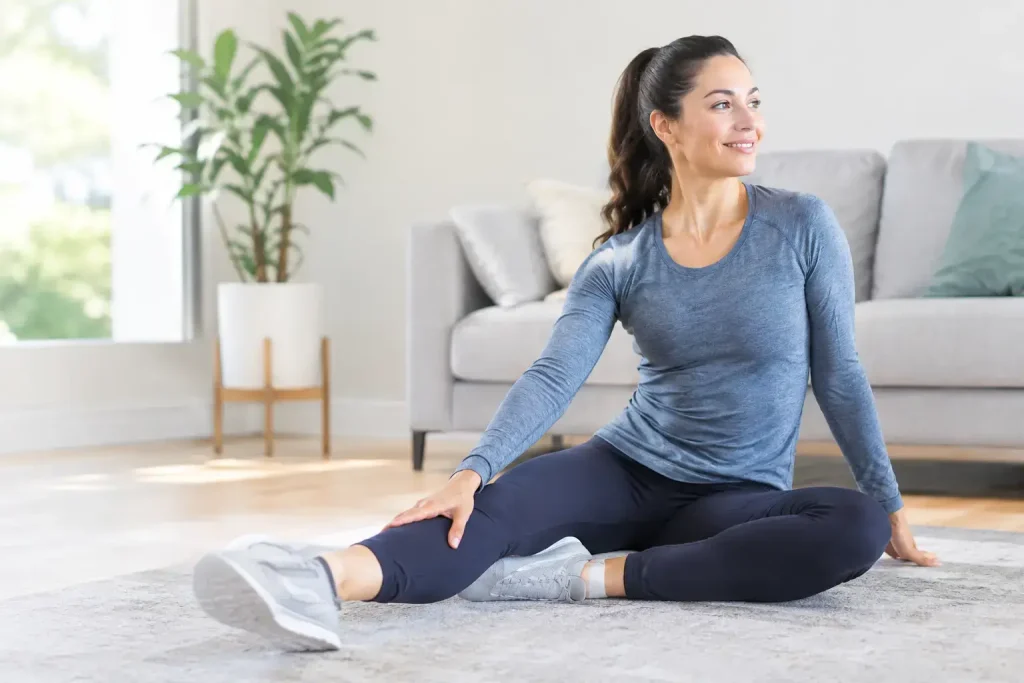
A useful rule is to stay in a comfortable range of motion. You may feel gentle effort or a mild stretch, but you should not need to hold your breath, brace against pain, or force your body into position. Slow, controlled movement gives your nervous system evidence that the motion is safe. Over time, that can help reduce protective tension.
Make Everyday Movement More Supportive
You do not need an hour-long routine to make a difference. Frequent, small movement breaks are often more helpful than one intense session followed by hours of stillness. If you work at a computer, stand up every 30 to 60 minutes, roll your shoulders, take a brief walk, or gently move your neck through a comfortable range.
Pay attention to the movements you repeat most. A nurse, teacher, hairstylist, warehouse worker, driver, parent, and desk professional all place different demands on the body. Your movement habits should fit your real life, not someone else’s ideal routine.
Try to vary your positions throughout the day. Shift your weight while standing, change the side you carry a bag on, and avoid staying locked in one posture for too long. There is no single “perfect” posture. The most supportive posture is often the one you can change regularly.
Build Mobility and Strength Together
Mobility is your ability to move through a range of motion with control. Flexibility can be part of it, but flexibility alone is not always enough. If a joint has more range than your muscles can support, the body may respond with instability or tension.
For example, someone with tight hips may benefit from gentle hip mobility, but they may also need stronger glutes and core muscles to make walking, lifting, and climbing stairs feel easier. Someone with rounded shoulders may need chest opening movements along with upper-back and shoulder-blade strength.
Start with movements that feel manageable and repeatable. A few slow bodyweight squats to a comfortable depth, controlled bridges, wall push-ups, supported balance work, or gentle walking can be valuable foundations. Progress gradually. If pain rises during activity and lingers or worsens afterward, reduce the range, intensity, or volume next time.
Consistency matters more than intensity. Ten minutes of intentional movement several days a week can be more effective than an ambitious plan that leaves you overly sore and discouraged.
Support Recovery Instead of Waiting for a Breaking Point
Recovery is not a reward you earn after exhaustion. It is part of staying active and feeling well. Sleep, hydration, nourishing meals, stress management, and rest days all affect how your tissues feel and how your body responds to activity.
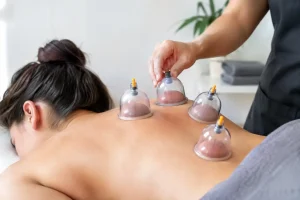
Therapeutic massage and bodywork can also play a meaningful role when tension patterns are limiting your comfort. A personalized session can focus on areas that feel overworked while considering the connected regions that influence how you move. Deep-tissue-oriented work may help address stubborn muscular tension, while myofascial release can be useful when restricted connective tissue creates a pulling or stuck sensation.
The right pressure is not always the deepest pressure. Effective bodywork should be responsive to your body, your goals, and your comfort level. Some clients need focused work to support athletic recovery or demanding physical jobs. Others need a quieter, more restorative session because stress has left their shoulders, jaw, and back constantly braced.
At Healing Key Spa, sessions are tailored around your pain patterns, mobility concerns, recovery needs, and relaxation goals. That individualized attention matters because your body is not a standard treatment menu.
A Guide to Pain Free Movement After Surgery or Injury
After surgery or an injury, the desire to get back to normal quickly is understandable. Still, recovery has its own timeline. Follow the guidance of your surgeon, physician, or physical therapist first, especially after cosmetic surgery, orthopedic procedures, or significant injury.
For approved post-plastic-surgery care, Manual Lymph Drainage can support the body’s natural fluid movement and help clients feel more comfortable during recovery. This gentle work is very different from deep tissue massage. Timing, technique, and practitioner training are essential, which is why care should be adapted to your procedure and medical instructions.
If you are recovering from an injury, do not assume that discomfort means you should stop moving completely. In many cases, appropriate movement is helpful, but the right amount depends on the injury, your stage of healing, and professional guidance. The goal is steady progress, not proving how much you can tolerate.
Know When It Is Time for More Personalized Care
Home mobility practices can be powerful, but they have limits. Consider personalized therapeutic care when tension keeps returning, a particular movement feels restricted, or your usual stretching and exercise are no longer helping. You may also benefit from support if stress is showing up physically through headaches, shallow breathing, jaw tension, restless sleep, or constant shoulder tightness.
Be specific about what you want to improve. Instead of saying, “My back hurts,” share when it hurts, what makes it better or worse, where you feel it, and what activities you want to return to. Those details help a skilled therapist adapt the session and recommend a care approach that fits your life.
Pain-free movement is rarely created by one stretch, one massage, or one perfect posture. It grows through consistent care, better body awareness, and support that meets you where you are. Start small today: take a walk, soften your shoulders, move without forcing, and give your body the patient attention it has been asking for.