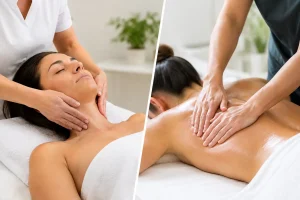
That tight band across your shoulders after a long workday, the low-back ache that makes sitting uncomfortable, or the hip tension that changes how you walk is not something you simply have to push through. Meaningful pain relief begins by listening to what your body is communicating, then choosing care that fits your specific needs.
At Healing Key Spa, therapeutic bodywork is never one-size-fits-all. Some clients need focused deep-tissue work after demanding physical activity. Others need slower, gentler techniques to calm an overworked nervous system, improve comfort, or support recovery. The right session can help you feel less restricted, more rested, and better able to return to the activities that matter to you.
Why Pain Shows Up in Everyday Life
Pain and tension often build gradually. A desk setup that strains your neck, long drives around North Houston, repetitive lifting, intense workouts, poor sleep, or ongoing stress can all leave muscles working harder than they should. Over time, the body may compensate. One tight area can affect another, which is why shoulder discomfort may be connected to the upper back, posture, or chest muscles, and why hip tightness may influence the low back or legs.
Stress has a physical effect, too. When life feels demanding, many people unconsciously clench their jaw, elevate their shoulders, shorten their breathing, or hold tension through the back and hips. Relaxation is not separate from therapeutic care. A calmer body can be more receptive to touch, movement, rest, and recovery.
Massage therapy does not diagnose medical conditions or replace care from a physician. Sudden, severe, or unexplained pain, numbness, weakness, fever, chest pain, or pain after a significant injury deserves prompt medical attention. But for common muscular tightness, overuse discomfort, stress-related tension, and limited mobility, personalized bodywork can be a valuable part of a broader wellness plan.
Pain Relief Is More Than Firm Pressure
Many people assume effective massage must hurt to work. That is not always true. Deep pressure can be useful for certain areas and certain clients, especially when dense muscle tension or chronic tightness is present. Yet more pressure is not automatically better pressure.
Your therapist should adjust the session based on your goals, health history, pain level, and how your tissues respond in the moment. If you are guarding, holding your breath, or tensing harder against the work, the approach may need to change. Productive therapeutic work can feel intense at times, but it should remain purposeful, communicated clearly, and within your comfort level.
The goal is not to force your body into submission. It is to encourage release, improve tissue movement, reduce protective tension, and help you feel safer and more comfortable in your body.
Techniques That Can Support Better Movement
A personalized session may combine several approaches instead of relying on one technique from start to finish. Therapeutic massage can address broad areas of muscular tension and encourage full-body relaxation. Deep-tissue-oriented work may focus more deliberately on long-standing tightness in areas such as the neck, shoulders, back, glutes, or legs.
Myofascial release takes a slower approach to restrictions in the fascia, the connective tissue that surrounds and supports muscles. Clients often appreciate this work when they feel stiff, pulled, or limited in a way that does not seem to improve with quick rubbing alone. Reflexology may be a calming addition for those who carry fatigue and stress through their feet and lower legs.
Cupping or vacuum therapy can also be used when appropriate to support circulation and ease tight, congested-feeling tissue. These services are not a shortcut or a universal solution. Your goals, sensitivity, skin condition, medications, and health history all matter when deciding what is right for you.
Choosing the Right Type of Pain Relief
The best treatment depends on what your body needs today. If your shoulders feel locked after computer work, a session may prioritize the neck, upper back, chest, and arms rather than only pressing directly into the sorest spot. If your legs are heavy after training or long shifts on your feet, a balanced approach may include targeted lower-body work and calming relaxation techniques.
For active adults and athletes, regular bodywork can support recovery between workouts, help maintain comfortable range of motion, and bring attention to areas that repeatedly tighten. It is not a replacement for proper training, hydration, sleep, mobility work, or medical evaluation when an injury is suspected. Think of it as hands-on support that can help your recovery routine work better.
For working professionals, the focus may be different. You may need relief from headaches connected to neck tension, a low-back reset after long hours seated, or a session that helps your body come down from constant mental demand. In these cases, a treatment that blends therapeutic focus with deep relaxation can be more helpful than an aggressive approach from beginning to end.
Support During Post-Surgery Recovery
Recovery after cosmetic surgery requires a specialized approach. Post-plastic-surgery lymphatic care is not the same as a standard massage, and timing matters. Clients should follow their surgeon’s instructions and receive medical clearance before booking.
Manual Lymph Drainage using the Vodder Technique uses light, intentional strokes designed to support the natural movement of lymphatic fluid. For appropriate post-operative clients, this specialized care may help manage swelling, promote comfort, and support recovery as part of the care plan established by their surgical provider. The work should feel gentle, attentive, and respectful of your healing body.
If you are recovering from a procedure, share the details your therapist needs to provide safe care, including the procedure date, surgeon guidance, areas to avoid, compression garment use, and any changes in your healing. Clear communication protects your progress and helps create a session that meets you where you are.
How to Get More From Your Massage Session
Your appointment starts before the first technique is used. Be honest about where you hurt, what makes it worse, and what relief would look like for you. Maybe your goal is to turn your head more comfortably when driving. Maybe you want to sleep without waking from shoulder pain. Maybe you simply want an hour away from the daily grind so your body can finally relax.
During the session, speak up about pressure, temperature, positioning, and areas of sensitivity. Therapeutic care is collaborative. Your feedback helps your therapist make thoughtful adjustments rather than guessing what you need.
Afterward, give your body room to respond. Drink water as you normally would, avoid jumping immediately into strenuous activity if you feel tender, and notice changes in how you move and rest over the next day or two. Some clients feel lighter right away. Others recognize gradual improvement after their body has time to settle. If you experience discomfort that feels concerning or does not improve, contact an appropriate healthcare professional.
Consistency can make a difference when tension is recurring. A single session may offer a welcome reset, while a regular schedule can help you stay ahead of patterns tied to work, exercise, stress, or chronic muscular tightness. The right frequency is personal. It may depend on your symptoms, activity level, budget, recovery goals, and how your body responds to treatment.
A More Personal Path to Feeling Better
Real relief is not always dramatic. Sometimes it is waking up without the familiar pull in your neck. Sometimes it is getting through a shift with less back tension, returning to a favorite workout with greater comfort, or having enough energy left to enjoy your evening.
You do not need to wait until discomfort takes over your routine to make space for care. Start with what your body is asking for, communicate your goals, and choose support that respects both your comfort and your progress. A thoughtful session can be one practical step toward less pain, easier movement, and a more restored version of you.