A massage should not leave you guessing whether the pressure was right or whether the treatment matched what your body needed. When considering deep tissue versus Swedish massage, the better choice depends on more than how much pressure you can handle. It depends on why you are coming in: stubborn shoulder tension, a demanding training schedule, a stressful workweek, limited mobility, or a simple need to get away from the daily grind.
Both styles can help you feel better, but they work differently. A thoughtful massage is never one-size-fits-all. Your therapist should listen to what is bothering you, assess how your muscles are responding, and adjust the session so you leave feeling cared for, not overwhelmed.
Deep Tissue Versus Swedish Massage: The Main Difference
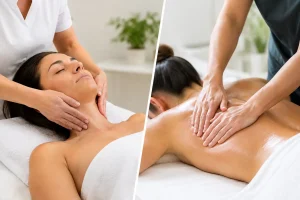
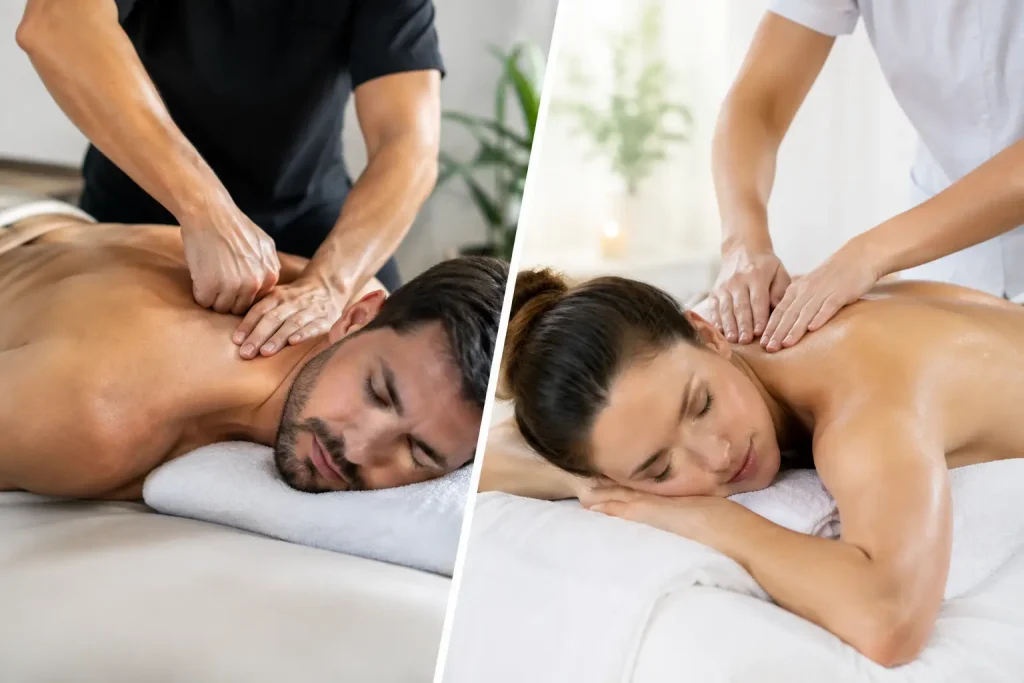
Swedish massage is generally designed to calm the nervous system and relax the body as a whole. It uses long, flowing strokes, gentle kneading, rhythmic movements, and lighter to moderate pressure. The goal is to improve circulation, ease surface-level muscle tension, and create the deep exhale many people need after carrying stress all week.
Deep tissue massage uses slower, more focused techniques to address deeper layers of muscle and connective tissue. Rather than moving broadly across the body for most of the session, the therapist may spend more time on specific areas that feel tight, restricted, or overworked. This can be especially helpful for recurring tension patterns in the neck, shoulders, low back, hips, glutes, and legs.
The name can be misleading. Deep tissue does not mean the therapist should use intense pressure everywhere. Effective work is precise, not punishing. It may involve firm pressure, sustained holds, and slow strokes, but it should remain within your ability to breathe and relax. If you are bracing, holding your breath, or feeling sharp pain, the pressure needs to change.
When Swedish Massage Is the Better Choice
Swedish massage is often the right fit when your body feels generally tired, stressed, or wound up but you do not have one stubborn area demanding focused work. Think of the professional who has spent days at a desk, the parent who has been running on little rest, or the person who wants to feel restored before a busy week begins.
Because Swedish techniques encourage relaxation, this massage can be especially supportive when stress shows up physically as a clenched jaw, raised shoulders, shallow breathing, headaches, or restless sleep. You may still receive attention in your tight spots, but the experience is usually more calming and full-body in nature.
It is also a wise first choice if you are new to massage, sensitive to pressure, or returning after a long break. Starting with lighter to moderate pressure gives your therapist a chance to learn how your body responds. From there, future sessions can become more targeted as needed.
Swedish massage is not “just relaxation.” When your nervous system settles, muscles often release more easily. That can improve how freely you move and help you feel more present in your body.
When Deep Tissue Massage May Help More
Deep tissue massage can be a strong option when an area keeps tightening despite stretching, rest, or occasional self-care. You may notice this as a knot between the shoulder blades that returns after every workweek, hips that feel restricted after long drives, or calves that stay tight after training.
This style is often useful for physically active adults, athletes, and people whose work requires repetitive movement, lifting, standing, or long hours seated at a computer. It can support recovery by addressing areas of persistent tension and helping restore more comfortable movement. It may also be paired with approaches such as myofascial release, depending on what your body needs that day.
A deep tissue session is not necessarily relaxing in the same way as Swedish massage, although many clients still find it deeply restorative. The focus is more corrective and intentional. You may feel a productive tenderness during certain techniques, followed by a sense of release, improved range of motion, or less heaviness in the area.
Results also depend on the pattern you are dealing with. A long-standing issue rarely disappears in one appointment. Consistent care, hydration, movement, sleep, and changes to the habits that keep aggravating the area all matter. Massage can be a meaningful part of your wellness plan, but it works best when your care is personalized and realistic.
Pressure Is Personal, Not a Test of Toughness
Many people request deep tissue because they believe stronger pressure automatically means better results. That is not always true. Muscles tend to guard when pressure is too aggressive, which can make it harder to create the release you came in for.
The most helpful pressure is the pressure your body can receive. On a 1-to-10 discomfort scale, therapeutic work may occasionally reach a 5 or 6, but it should not feel sharp, electric, numb, or unbearable. You should be able to communicate normally and take a full breath.
Your therapist may use deeper work in one area and lighter Swedish techniques in another. For example, someone with tight hips and a stressed, sensitive upper back may benefit from focused lower-body work while receiving gentler strokes around the shoulders and neck. This is why a customized session often serves you better than choosing a label and expecting the same routine every time.
What to Expect After Your Massage
After a Swedish massage, many clients feel calm, lighter, and ready for a restful evening. Some feel pleasantly sleepy. Gentle movement, water, and a little extra rest can help you enjoy that relaxed feeling longer.
After deep tissue work, it is common to feel tender in the areas that received focused attention, particularly if those muscles have been tight for a long time. Mild soreness can last a day or two, similar to how you may feel after unfamiliar exercise. Light walking, warm water, and avoiding an intense workout immediately afterward may help.
Severe pain, bruising, or symptoms that worsen rather than improve are not goals of therapeutic massage. Let your therapist know about your response at the next session, or sooner if you have concerns. Good bodywork is a conversation that continues after you leave the table.
When to Choose a Different Type of Care
Massage is not appropriate for every situation. Tell your therapist about recent injuries, surgeries, blood clotting concerns, fever, active infection, unexplained swelling, skin irritation, osteoporosis, pregnancy, medications, or medical diagnoses that may affect treatment. Your therapist can modify the session, avoid certain areas, or recommend that you seek medical guidance first.
If you are recovering from cosmetic surgery, standard Swedish or deep tissue massage may not be the right starting point. Post-plastic-surgery recovery requires specialized timing, technique, and attentive care. Manual lymphatic drainage is much lighter than either Swedish or deep tissue massage and is intended to support fluid movement during recovery when appropriate. Healing Key Spa provides certified Manual Lymph Drainage using the Vodder Technique and individualized post-surgery support for clients who need this specialized approach.
How to Decide Before You Book
Choose Swedish massage if your main goal is stress relief, full-body relaxation, lighter tension relief, or a gentle reset. Choose deep tissue if you want focused help for chronic tightness, restricted movement, repetitive-use discomfort, or muscle recovery.
If your answer is somewhere in between, that is completely normal. Tell your therapist what hurts, what feels restricted, how active you are, and how you want to feel afterward. You do not need to arrive with the perfect service name. You only need to arrive ready to share what your body has been carrying.
The best massage is the one that meets you where you are – with enough skill and pressure to help you release tension, enough care to keep you comfortable, and a plan that helps you move through your days with less pain and more ease.