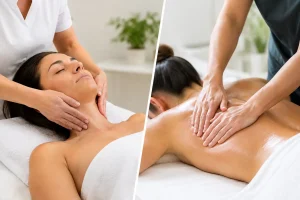
Your shoulders may carry the strain of long hours at a desk, while your hips feel tight after workouts and your lower back aches after a demanding week. Treating every concern with the same routine rarely creates lasting relief. Individualized massage plans are built around what your body is asking for right now – whether that means focused pain relief, better mobility, recovery support, or simply a quiet hour to release the daily grind.
At Healing Key Spa, a massage is not a preset sequence performed the same way for every client. It is attentive, hands-on care shaped by your goals, your comfort level, and the areas that need the most support. Some sessions call for deeper, targeted work. Others call for gentle lymphatic techniques, calming touch, or a thoughtful blend of approaches.
What individualized massage plans actually mean
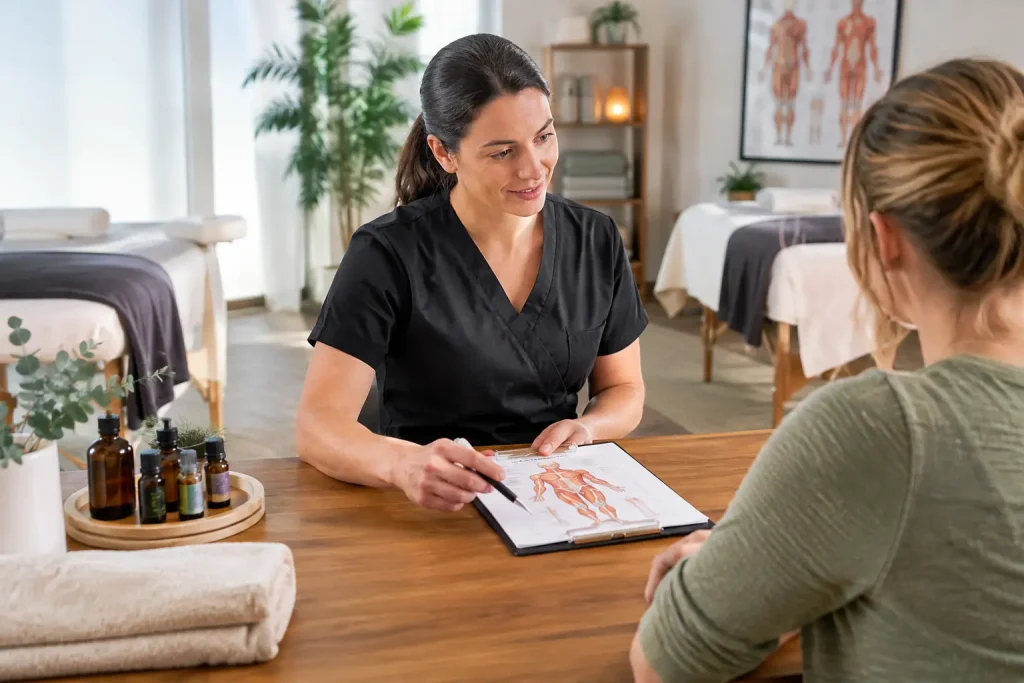
An individualized plan starts with listening. Before treatment begins, your therapist considers why you booked, where you feel discomfort, what activities may be contributing to tension, and what kind of pressure feels productive rather than overwhelming. Your history matters too, including recent workouts, old injuries, surgery recovery, stress levels, and any health considerations that may affect your session.
This does not mean every massage has to feel intensely therapeutic. Relief can come from many directions. A client with persistent neck and shoulder tightness may benefit from focused deep-tissue-oriented work and myofascial release. Someone whose nervous system feels worn down by work, caregiving, or poor sleep may need slower pacing, lighter pressure, and aromatherapy to help the body settle.
The plan can also change during the appointment. Muscles sometimes respond differently than expected, and a sensitive area may need gentler work before deeper techniques are appropriate. Clear communication gives your therapist room to adjust pressure, pacing, and technique so the session remains both effective and comfortable.
Your goals guide the techniques
Massage is not one thing. Different modalities are selected because they address different needs, and the best choice depends on your body and your goals.
For chronic tension and restricted movement
When neck, shoulder, back, or hip tension keeps returning, the issue may involve more than a single tight muscle. Repetitive movement, posture, stress, and compensation patterns can all contribute. Therapeutic massage and focused deep tissue work may help release stubborn areas while supporting easier movement.
Myofascial release can be especially helpful when you feel pulling, stiffness, or limited range of motion. Fascia is the connective tissue that surrounds muscles and other structures in the body. When it feels restricted, movement can become less comfortable. Slow, sustained techniques can help address those restrictions without forcing the body through painful pressure.
Deeper does not automatically mean better. Effective work is specific, measured, and responsive. The goal is to create a meaningful change without leaving you feeling bruised, guarded, or unable to enjoy the rest of your day.
For active recovery and demanding routines
Athletes, active adults, first responders, and people with physical jobs often need massage for recovery as much as relaxation. Tight calves after running, sore glutes after strength training, or overworked forearms from hands-on labor can affect how the whole body moves.
A recovery-focused session may include targeted work on heavily used muscle groups, mobility-minded techniques, and attention to areas that are compensating for fatigue. Timing matters. A lighter session may be the better fit before an event, while a more focused treatment may be useful after strenuous activity or during a training cycle.
Massage should support your routine, not interrupt it. Share what you are training for, what movements feel limited, and when you need to feel your best. That context helps shape a session with a purpose.
For stress that shows up in the body
Stress is not only a mental experience. It can appear as a clenched jaw, shallow breathing, headaches, restless sleep, tight shoulders, or a body that never seems to fully relax. In these moments, an individualized session may prioritize the nervous system as much as the muscles.
Slower, calming massage can encourage a sense of safety and rest. Aromatherapy or CBD enhancements may be a welcome addition for some clients, while others prefer an unscented, simple session. Neither approach is better across the board. The right choice is the one that helps you feel cared for and comfortable.
Many clients are surprised by how much clearer and lighter they feel after giving their body uninterrupted time to release tension. That refreshed energy is not an extra benefit. It is often part of what makes regular bodywork worthwhile.
Individualized massage plans for lymphatic and surgery recovery
Post-plastic-surgery care requires special attention. Swelling, tenderness, healing timelines, and surgeon instructions all affect what is appropriate. This is not a situation for a standard massage or aggressive pressure.
Manual Lymph Drainage using the Vodder Technique is a gentle, specialized approach designed to support the natural movement of lymphatic fluid. For eligible clients recovering from cosmetic procedures, personalized lymphatic care can be part of a thoughtful recovery plan when performed by a trained practitioner and coordinated with medical guidance.
The timing, frequency, and areas treated should be based on your procedure, your provider’s clearance, and how your body is healing. You should always follow your surgeon’s instructions and let your therapist know about any changes, concerns, pain, fever, unusual swelling, or signs of complications. Massage therapy supports wellness and recovery, but it does not replace medical care.
Why one-size-fits-all sessions can miss the mark
A standard relaxation massage may feel wonderful, but it can fall short when you are dealing with a specific pain pattern, recent physical stress, or recovery need. On the other hand, a highly focused therapeutic session may not be the right answer when your body is already depleted and your main need is rest.
That is why personalization matters. The most helpful session is not defined by a label. It is defined by whether the care matches your current condition. A plan may include firm work on the upper back and gentler touch around the neck. It may focus on one problem area during one visit and shift to full-body relaxation at the next.
Your needs can change with your schedule, stress, activity level, and stage of recovery. A good massage plan makes room for that change instead of expecting your body to fit the same treatment every time.
How to get more from your appointment
Honest communication makes a difference before, during, and after your session. Let your therapist know what has been bothering you, but also mention what has helped or aggravated the issue in the past. If pressure is too light, too intense, or uncomfortable in a way that does not feel productive, speak up right away.
Arrive with a simple goal in mind. It could be getting through the workweek with less shoulder pain, moving more comfortably after a hard training block, or taking an hour to breathe and reset. You do not need to know the exact technique you need. That is part of the therapist’s role.
Afterward, give your body a little space to respond. Hydrate, move gently if it feels good, and pay attention to changes in tension, mobility, and energy over the next day or two. If a concern persists or worsens, seek appropriate medical advice.
The right massage does not ask you to choose between feeling better and feeling cared for. It meets you where you are, gives your body the attention it deserves, and helps you take the next step with less tension and more ease.