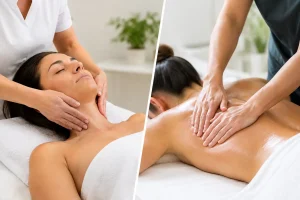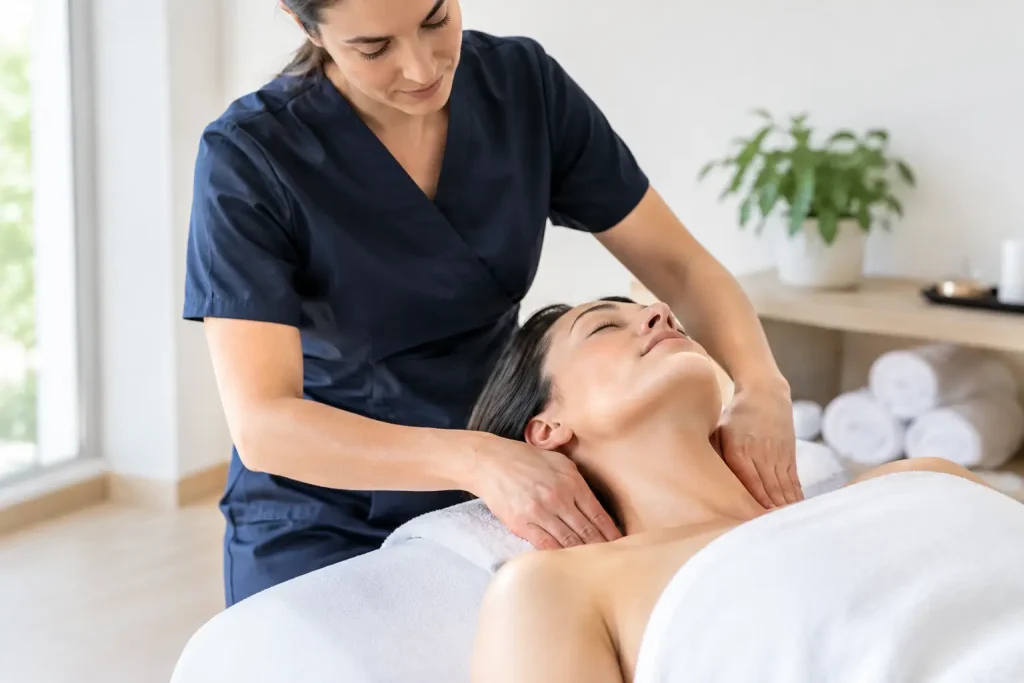
Swelling can make recovery feel longer than it should. Your clothes may feel tight, movement may feel guarded, and even a normal healing day can leave you wondering whether your body is progressing as expected. This manual lymph drainage recovery guide explains what gentle lymphatic care can support, how it differs from regular massage, and how to make thoughtful choices during your recovery.
What Manual Lymph Drainage Is Designed to Do
Manual Lymph Drainage, often called MLD, is a specialized, light-touch technique that encourages the natural movement of lymphatic fluid through the body. The lymphatic system plays a role in fluid balance and immune function. After surgery, injury, prolonged inactivity, or periods of inflammation, fluid can collect in tissue and contribute to visible swelling, heaviness, tenderness, and stiffness.
MLD is not deep tissue massage. It should not feel like someone is trying to force swelling out of the body. The strokes are slow, rhythmic, and intentionally gentle, following the pathways that support lymph movement. For clients who are used to firm pressure, this can be surprising at first. In lymphatic work, lighter is often more appropriate.
For post-plastic-surgery clients, properly timed lymphatic care may be part of a recovery plan created with the surgeon. It can support comfort, help manage swelling, and make it easier to move through the healing process with attentive body care. The right approach always depends on the procedure, your healing stage, your surgeon’s instructions, and how your body is responding.
When Lymphatic Care May Be Helpful
People seek MLD for different reasons. Some are recovering from cosmetic procedures such as liposuction, tummy tuck surgery, breast surgery, or body contouring. Others are dealing with temporary swelling after travel, a demanding workout routine, or long workdays spent sitting or standing. It may also be a calming option for someone who feels puffy, tense, and worn down but does not want an intense massage session.
Post-surgery recovery is where individualized care matters most. A body that is freshly healing does not need a standard spa massage. It needs a practitioner who can work gently, pay attention to sensitivity and tissue changes, and adjust each session to the client’s comfort level and approved recovery plan.
At Healing Key Spa, Manual Lymph Drainage is performed with specialized training in the Vodder Technique and post-plastic-surgery lymphatic care. That training matters because recovery work is not about using more pressure. It is about using the right touch at the right time.
Before Your First Manual Lymph Drainage Session
The best session begins before you arrive. If you are recovering from surgery, get clear guidance from your surgeon about when lymphatic massage is appropriate and whether there are specific restrictions. Bring any relevant instructions, especially if you have compression garments, drains, incisions, or areas your medical provider has asked you to avoid.
Share the full picture with your therapist. Let them know your procedure date, areas of swelling, level of pain, medications, past health concerns, and whether you have noticed changes in redness, heat, drainage, or sensation. A skilled therapist uses this information to create a more comfortable session and to recognize when massage should be postponed.
Wear loose, easy-to-change clothing, and plan to arrive without rushing. You may need to adjust a compression garment before or after your appointment, so give yourself extra time. If you are coming from work or caring for family, think of this as protected recovery time rather than one more task to squeeze into your day.
Questions Worth Asking
Ask how the session will be adapted to your stage of recovery, which areas will be addressed, and what level of pressure to expect. You can also ask whether your therapist sees any reason to contact your surgeon before continuing care. Good lymphatic support should feel collaborative, not rushed or one-size-fits-all.
What a Recovery Session Can Feel Like
Your therapist should begin by checking in: how you are feeling, what has changed since your last visit, and where you need the most support. The treatment itself often starts in areas that help prepare the body for fluid movement before attention moves toward swollen or congested areas. This sequence is one reason lymphatic work is different from simply rubbing directly over puffiness.
Most clients describe MLD as soothing and surprisingly relaxing. You may feel gentle stretching of the skin, light rhythmic strokes, or a sense of warmth and release. Tenderness can occur around healing tissues, but sharp pain, burning, or intense discomfort is not something to push through. Speak up right away so the pressure or technique can be adjusted.
Some post-surgery plans include work around fibrosis, which can feel firmer or more sensitive than basic MLD. This should still be approached carefully and only when appropriate for your healing phase. The goal is never to make recovery more painful in the name of faster results.
Aftercare That Supports Your Recovery
Your body continues its recovery work after you leave the treatment room. For many clients, the most helpful next step is a quiet day with gentle movement and consistent attention to their provider’s instructions. A short, easy walk may feel good if it has been approved by your surgeon or healthcare provider, while a hard workout may be too much too soon.
Keep wearing compression garments exactly as directed by your surgical team. Compression and lymphatic sessions often serve different roles, and one does not replace the other. If your surgeon has given you guidance on sleep position, bathing, scar care, activity, or garment use, those instructions come first.
Drink water regularly because hydration supports general recovery, but do not feel pressured to overdrink after a session. MLD does not “flush toxins” from the body. It supports the lymphatic system’s normal fluid movement, while your body handles waste through its own natural processes.
You may notice that you need to use the restroom more often, feel sleepy, or experience a temporary change in how swelling looks from one day to the next. Recovery is rarely a straight line. Take photos only if your surgeon recommends tracking progress, and avoid judging your healing by a single morning or evening.
When to Pause and Call Your Medical Provider
Lymphatic massage is supportive care, not a substitute for medical evaluation. Contact your surgeon or medical provider promptly if you have fever, chills, shortness of breath, chest pain, new or worsening one-sided swelling, sudden severe pain, unusual drainage, spreading redness, or skin that feels hot to the touch.
There are also times when MLD may need to wait, including active infection, suspected blood clot, uncontrolled heart or kidney concerns, or other conditions your healthcare provider has identified. Be honest about your health history. A careful therapist would rather reschedule a session than take chances with your well-being.
How Often Should You Schedule Sessions?
There is no universal schedule. Some surgical recovery plans call for a series of closely spaced appointments early on, while others require fewer sessions or a slower pace. The right frequency depends on your procedure, your surgeon’s recommendations, your swelling, your tissue sensitivity, and your response after each treatment.
For non-surgical wellness care, occasional sessions may be enough when you are feeling sluggish, stressed, or physically overloaded. For ongoing concerns, a personalized plan can be more useful than booking at random. Pay attention to practical outcomes: Are you moving more comfortably? Is your swelling becoming easier to manage? Do you feel less guarded in your body?
The most supportive recovery plan is one that respects your body’s timing. Give yourself permission to heal gradually, ask questions when something does not feel right, and choose care that leaves you feeling heard, comfortable, and a little more at home in your body.