A stubborn area does not always mean you are doing something wrong. You may exercise consistently, eat in a way that supports your health, and still notice puffiness, uneven texture, or contours that do not reflect how strong you feel. Body sculpting offers a personalized, non-surgical approach to supporting smoother-looking contours, firmer-feeling skin, and renewed confidence in your body.
At Healing Key Spa, body care begins with listening. Your goals, comfort level, current routines, and any recovery needs all matter. A treatment should never feel like a one-size-fits-all promise. It should feel like focused care designed around where your body is right now.
What Body Sculpting Is Designed to Support
Body sculpting is a broad term for non-invasive treatments that support the appearance and feel of specific areas of the body. Depending on the method used, sessions may focus on encouraging circulation, supporting lymphatic flow, improving the look of skin texture, and helping areas feel less congested or puffy.
For many clients, the appeal is not chasing an unrealistic body standard. It is about feeling more comfortable in fitted clothing, supporting a wellness routine, or giving attention to areas that hold tension and fluid after long workdays, travel, exercise, or lifestyle changes.
The most meaningful results come from realistic expectations. Spa-based body sculpting is not a substitute for liposuction, a weight-loss program, medical treatment, or regular movement and nutrition. It may support visible refinement and a healthier-looking appearance, but results vary based on your body, consistency, hydration, activity level, and the type of treatment you receive.
Body Sculpting and Lymphatic Support
Your lymphatic system helps move fluid through the body as part of its natural waste-clearing and immune-support processes. When fluid movement is sluggish, some people notice temporary puffiness, heaviness, or a feeling of congestion. Gentle, trained lymphatic techniques can support the body’s normal fluid movement while creating a deeply calming treatment experience.
This is one reason personalized care matters. A person who is active and looking to support recovery may benefit from a different approach than someone who spends long hours at a desk or is preparing for a special event. The pressure, pace, and focus areas should be adjusted to your needs rather than copied from a standard menu.
Manual Lymph Drainage is especially gentle and purposeful. It is not the same as deep tissue massage, and more pressure is not automatically better. When performed with proper training, including the Vodder Technique, lymphatic work is designed to work with the body’s natural pathways instead of forcing a result.
What a Personalized Session May Include
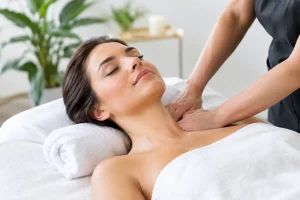
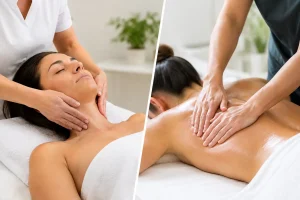
A body sculpting session can incorporate a combination of hands-on bodywork and specialized techniques based on your goals. Vacuum therapy or cupping-inspired methods may be used in appropriate areas to support circulation and address the appearance of texture. Massage-based work may help relax tight tissues and promote a sense of lightness. Skin-focused treatments may be selected when firmness, hydration, or overall skin renewal is a priority.
Your provider should explain what is being used and why. You deserve to know what sensations to expect, whether mild redness is normal, and how to care for your body afterward. A supportive session should leave you feeling cared for, not pressured to tolerate discomfort.
There can be trade-offs. More intensive techniques are not right for every person, every area, or every day. Some clients prefer a gentle lymphatic-focused approach, while others want a firmer treatment that addresses muscle tension alongside contour concerns. The best choice depends on your health history, sensitivity, and desired outcome.
Skin Texture and Firmness
Changes in skin texture are common and completely human. They can be influenced by genetics, hydration, age, hormonal shifts, body composition, and connective tissue. Body treatments may help improve the temporary appearance of texture and leave skin feeling smoother and more refreshed, especially when sessions are part of a consistent self-care plan.
Still, no ethical provider should promise to erase cellulite or permanently transform skin in one appointment. A more helpful goal is to support your skin and tissue health with regular care, realistic expectations, and habits that make you feel good in your own body.
Recovery After Cosmetic Surgery
Post-plastic-surgery care is its own specialty. If you are recovering from a procedure, do not book a general sculpting session as a substitute for post-operative support. You need a provider trained in post-surgery lymphatic care who understands the need for gentle technique, timing, careful observation, and coordination with your surgeon’s instructions.
Always receive clearance from your surgical team before scheduling any massage, lymphatic drainage, or body contouring service after a procedure. The right care can feel reassuring during recovery, but the wrong timing or pressure can be counterproductive.
How to Prepare for Body Sculpting
You do not need to make dramatic changes before your appointment. Small, practical choices can help you get the most from your session. Arrive well hydrated, wear comfortable clothing, and share any health changes, medications, recent procedures, skin sensitivities, or areas of tenderness before treatment begins.
After your session, continue drinking water and give your body time to respond. Light movement, such as an easy walk, may feel good for some clients. If your therapist recommends a series of appointments, ask why that schedule fits your goals and what progress markers to watch for. You should feel comfortable asking questions at every stage.
Avoid treating body sculpting like a quick fix before a major occasion. While some people enjoy a temporary feeling of reduced puffiness or smoother-looking skin after treatment, meaningful body care tends to work best as part of an ongoing routine. Sleep, hydration, stress management, movement, and recovery all influence how you feel in your body.
Who Should Wait or Speak With a Medical Provider First?
Bodywork is not appropriate in every situation. Tell your provider if you are pregnant, have a history of blood clots, active cancer treatment, uncontrolled heart or kidney conditions, an active infection, unexplained swelling, open wounds, severe varicose veins, or a recent injury or surgery. You may need medical guidance or a modified service before receiving treatment.
A careful intake is not a formality. It is how your therapist protects your comfort and helps determine whether a session is appropriate. If something does not feel right during your appointment, speak up. Your feedback helps guide the treatment.
Choosing Care That Respects Your Goals
The best body sculpting experience is not built on dramatic promises. It is built on clear communication, skilled hands, and a treatment plan that respects your body. Look for a clean, comfortable environment, a provider who asks thoughtful questions, and someone willing to explain both potential benefits and limitations.
Whether your goal is to feel less puffy after demanding weeks, support your workout recovery, care for your skin, or reconnect with your confidence, individualized body care can be a practical act of self-respect. Give your body the same patience and attention you give everyone else, and let your treatment be a place to feel supported, restored, and at ease.