A lower belly that feels softer after weight loss, skin that does not bounce back as quickly as it once did, or a stubborn area around the thighs can make people ask: can body sculpting tighten skin? The honest answer is yes, sometimes – but the degree of change depends on your skin, your goals, and the type of treatment you receive. Noninvasive body sculpting can support firmer-looking skin and smoother contours, but it is not a replacement for surgery when there is significant loose or hanging skin.
At Healing Key Spa, body care is never treated like a one-size-fits-all appointment. Your body has its own history of stress, movement, weight changes, recovery, and daily demands. A thoughtful treatment plan begins by understanding that history and setting realistic, encouraging expectations.
Can Body Sculpting Tighten Skin Without Surgery?
Body sculpting is a broad term for treatments designed to improve the appearance and feel of specific areas of the body. Depending on the method used, it may support circulation, encourage lymphatic flow, address the look of stubborn fatty tissue, and stimulate processes associated with collagen and elastin – two proteins that help skin appear firm and resilient.
For mild to moderate laxity, skin-tightening-focused body sculpting may improve texture, create a smoother appearance, and make an area look more toned over time. This is often most noticeable when the skin still has some natural elasticity. Clients may see improvement around the abdomen, arms, thighs, buttocks, or areas affected by cellulite-like texture.
What it cannot do is remove a large amount of excess skin. If skin has been stretched for a long period, such as after major weight loss or pregnancy, its supportive fibers may not fully contract with a noninvasive treatment. Surgical procedures are sometimes the appropriate option for that concern. Being clear about this is part of caring for you well.
Why Skin Becomes Loose or Crepey
Skin does not change for one simple reason. Collagen production naturally slows with age, while elastin fibers can become less springy. Weight fluctuations, pregnancy, genetics, sun exposure, smoking, hydration, nutrition, and hormonal changes can all affect how skin responds.
The amount of subcutaneous fat beneath the skin matters, too. A reduction in volume may make loose skin more visible at first. On the other hand, improving the quality of the skin and supporting the tissue underneath can help an area look smoother and more balanced.
That is why the right question is often not just, “Can this tighten my skin?” It is, “What is contributing to the way this area looks and feels?” A skilled provider looks at the full picture rather than promising a dramatic result from a single session.
What Body Sculpting May Help Improve
The best candidates for noninvasive skin-tightening and body-sculpting services are generally close to a stable weight and looking for refinement rather than a total transformation. Results are usually gradual, since the body needs time to respond.
A personalized series may help with concerns such as smoother-looking texture, mild skin laxity, temporary puffiness or fluid retention, and the appearance of areas that feel less firm. Some clients also appreciate the relaxation and body awareness that comes from receiving attentive, hands-on care. When you feel less tense and more connected to your body, it can be easier to maintain healthy movement and recovery habits.
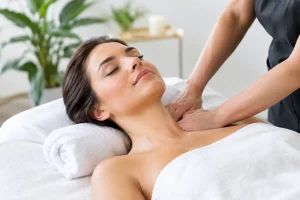
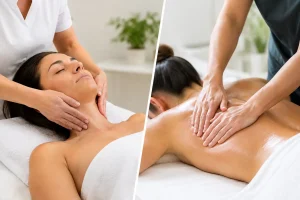
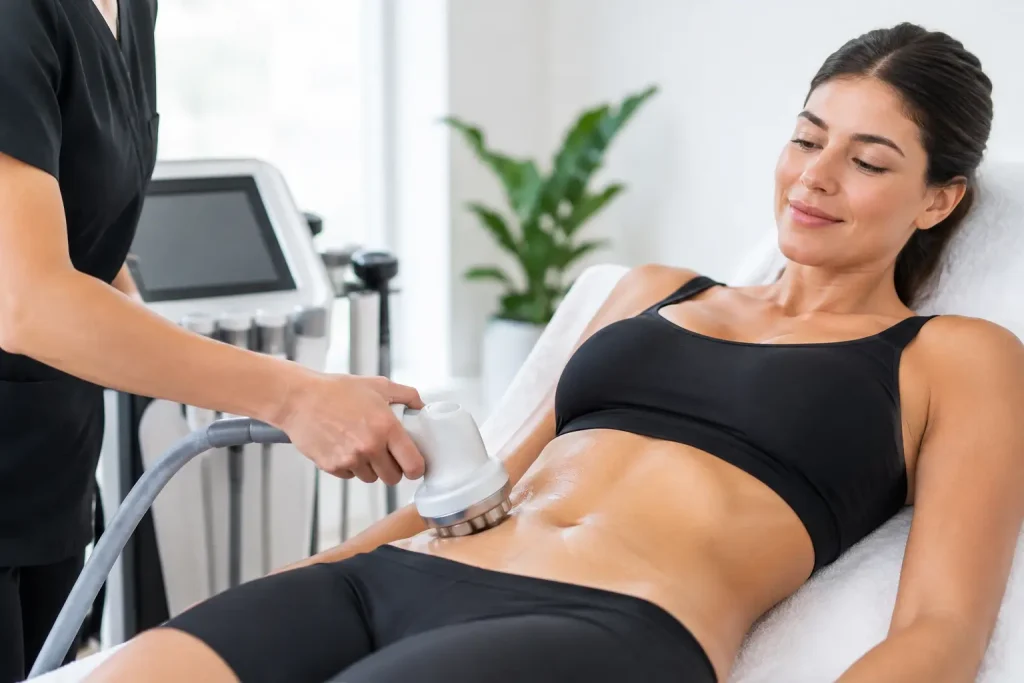
Treatments that use vacuum-based techniques may support circulation and lymphatic movement while working with the tissue in a targeted way. Manual techniques, including massage and myofascial work, can complement a body-care plan by addressing tightness and restrictions that make movement uncomfortable. These services do not melt fat away or create surgical-level tightening, but they can be meaningful tools for clients pursuing a smoother, refreshed look along with physical relief.
The Role of Lymphatic Support
Lymphatic care is especially relevant when swelling or fluid retention contributes to a puffy appearance. Gentle Manual Lymph Drainage is designed to support the natural movement of lymphatic fluid. It is not a weight-loss treatment, and it does not directly tighten skin. Still, when fluid buildup is part of the concern, lymphatic support may help the body feel lighter and the treated area look less swollen.
For people recovering from cosmetic surgery, post-procedure lymphatic care should be approached with special attention to timing, surgeon instructions, and the provider’s training. Healing Key Spa offers care informed by Manual Lymph Drainage using the Vodder Technique and post-plastic-surgery lymphatic support. Your recovery plan should always work alongside your surgeon’s guidance, never against it.
What Results Feel Realistic?
A realistic result from body sculpting is an improvement in how an area looks, feels, or fits in your clothes – not a new body overnight. Some clients notice temporary changes in smoothness or swelling after an appointment. More lasting changes to skin quality tend to require a consistent series of treatments and time for the body’s natural processes to work.
Your starting point matters. Someone in their thirties with mild laxity after a small weight change may respond differently than someone in their sixties with significant sun damage and years of collagen loss. Genetics matter. So does whether your weight is stable. Even the location matters, since abdominal skin, upper-arm skin, and thigh skin can behave differently.
Be cautious of any provider who guarantees inches lost, permanent results after one visit, or complete removal of loose skin. Ethical body care makes room for your goals while respecting biology.
How to Support Firmer-Looking Skin Between Visits
Your treatment can be part of a larger routine that supports healthy tissue. Consistency is more valuable than chasing quick fixes. Staying hydrated, eating enough protein and nutrient-dense foods, protecting skin from sun damage, sleeping well, and managing stress all support the systems that influence skin health.
Strength training can also be useful for many people. Building muscle beneath an area may improve its shape and create a more supported appearance. Regular walking, mobility work, and massage can help you stay connected to how your body moves and where it holds tension.
Avoid dramatic cycles of losing and regaining weight whenever possible. Rapid fluctuations can place additional stress on the skin. If weight loss is a goal, gradual progress with professional medical or nutritional guidance is generally kinder to your body than extreme approaches.
Choosing a Body Sculpting Plan That Fits You
Before booking, think about what you truly want to change. Are you hoping to address puffiness, texture, mild looseness, discomfort from tight tissue, or the feeling that your body needs more attentive care? Those are different concerns, and they may call for different approaches.
Share relevant health information honestly, including recent surgery, implants, skin conditions, circulation concerns, blood-clot history, pregnancy, or medications. Some treatments are not appropriate in certain situations, and a qualified provider should screen for that. Your comfort and safety come first.
A personalized consultation also gives you space to discuss how many sessions may be recommended, what sensations to expect, and how progress will be evaluated. Photos, measurements, how clothing fits, and how an area feels can all provide a more useful picture than relying on the scale alone.
Your body does not need to earn care before you give it attention. Whether your goal is smoother-looking skin, relief from tension, or a restorative pause from the daily grind, choose care that meets you where you are and helps you move forward feeling supported.