Swelling can make your body feel unfamiliar. A surgical area may feel tight and heavy, your clothes may fit differently, or a hard workout may leave you feeling stiff instead of restored. Swelling reduction treatment outcomes are not just about looking less puffy. For many people, the meaningful changes are greater comfort, easier movement, reduced feelings of pressure, and more confidence during recovery.
At Healing Key Spa, care begins with listening. Your body, the reason for your swelling, your health history, and the stage of recovery all shape what supportive hands-on care should look like. There is no one-size-fits-all timeline, and a responsible treatment plan never promises to make normal healing happen overnight.
What Swelling Reduction Treatment Outcomes Can Look Like
Swelling is part of the body’s protective response. After surgery, injury, strenuous activity, prolonged sitting, or inflammation, fluid can collect in tissues and create pressure. The lymphatic system helps move excess fluid and waste products through the body, but it may need time and, in appropriate situations, gentle support to do its work.
A well-matched treatment may help you feel lighter or less restricted after a session. Some clients notice improved comfort quickly, while visible changes develop gradually over a series of appointments. In post-plastic-surgery recovery, clients may also notice that areas of firmness begin to feel less tight as healing progresses and their provider-approved care plan is followed.
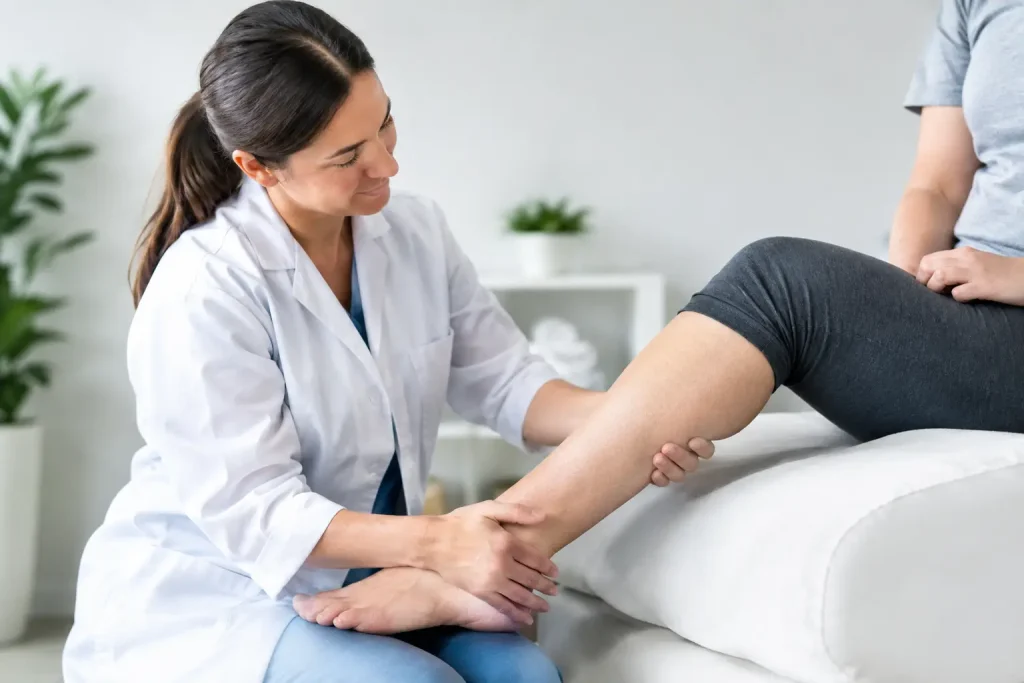
The outcome that matters most depends on why you are seeking care. An active adult with sore, overworked legs may be looking for recovery and mobility. Someone recovering from cosmetic surgery may be focused on comfort, tissue support, and guidance through a carefully paced recovery process. A professional who spends long hours at a desk may want relief from the heavy, stiff feeling that comes with inactivity and muscle tension.
Why Results Vary From Person to Person
It is tempting to measure progress only by the mirror or the tape measure. Those can be useful markers, but they do not tell the whole story. Swelling can fluctuate from day to day based on hydration, sleep, sodium intake, stress, activity level, hormones, medication, and the natural pace of your body’s healing response.
The cause of swelling matters, too. Temporary exercise-related puffiness calls for a different approach than swelling after a procedure. Post-surgery clients may have surgeon instructions about compression garments, movement, massage timing, and areas to avoid. Those instructions always come first.
Your treatment plan may also need to change as you recover. Early on, a gentle approach can be more appropriate than deep pressure. Later, if your medical provider approves it and your tissues are ready, focused work for surrounding muscular tension or fascial tightness may be useful. Good care responds to what your body is showing that day rather than forcing a preset routine.
The role of lymphatic drainage
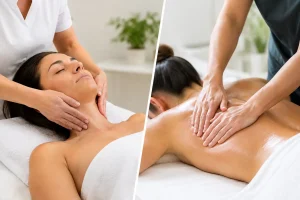
Manual Lymph Drainage is a light, purposeful technique designed to encourage lymph flow. It is not a deep-tissue massage, and more pressure does not mean better results. The Vodder Technique uses gentle, rhythmic movements intended to support the lymphatic system without overwhelming sensitive or healing tissue.
For appropriate clients, lymphatic work can be a calming part of a broader recovery routine. It may complement surgeon-approved aftercare, hydration, comfortable movement, and compression when prescribed. It is supportive care, not a replacement for medical assessment, surgical follow-up, or treatment for a medical condition.
A Realistic Timeline for Swelling Reduction
Some people feel a change in comfort after their first session, especially when the issue is mild fluid retention or tension around an area. That initial relief is encouraging, but it does not necessarily mean swelling is fully resolved. Your body continues to respond between appointments.
For recovery after cosmetic surgery, progress is often less linear. A good week can be followed by a day of increased tightness after more walking, a long car ride, poor sleep, or simply normal healing activity. Consistent, carefully timed appointments may be recommended by your surgeon and wellness provider, but frequency should fit your procedure, health status, and recovery stage.
Think in terms of trends rather than perfect daily changes. Are you moving more comfortably? Is the feeling of pressure decreasing? Are you able to rest better, wear approved garments with less discomfort, or return to gentle daily activity more easily? These are valuable signs of progress even when some swelling remains.
What a Personalized Session Should Include
A quality swelling-support session should feel safe, calm, and specific to you. Before beginning, your therapist should ask why you are seeking care, where swelling is present, when it started, whether you have had a recent procedure, and what guidance you have received from your doctor or surgeon.
For post-surgical clients, trained lymphatic support requires special attention to incision status, surgical clearance, compression instructions, pain levels, and signs that recovery may not be progressing normally. A therapist should never work aggressively over vulnerable tissue simply to chase a faster visual result.
During your appointment, communication matters. Pressure should be adjusted to your comfort level. You should feel cared for, not rushed through a generic protocol. The goal is to create a treatment that supports your recovery while helping you relax out of the daily grind.
Afterward, you may be encouraged to hydrate, follow your medical provider’s instructions, wear prescribed compression if applicable, and choose gentle movement that is appropriate for your stage of recovery. Avoid making major changes to post-surgical care without talking with your surgeon.
When Swelling Needs Medical Attention
Massage and lymphatic techniques are not appropriate for every kind of swelling. Sudden, unexplained, severe, or one-sided swelling needs medical evaluation. The same is true for swelling with redness, warmth, fever, chest pain, shortness of breath, dizziness, worsening pain, drainage, or a rapid change after surgery.
Do not schedule bodywork as a substitute for urgent care. A blood clot, infection, heart or kidney concerns, and certain vascular conditions can cause swelling and require prompt medical attention. If you are unsure what is causing a change in your body, contact a qualified medical professional first.
Clients with active infection, untreated congestive heart failure, known or suspected blood clots, or other significant medical conditions may need clearance or may not be candidates for lymphatic work. Being cautious protects your recovery and helps ensure wellness care is used at the right time.
How to Get More From Your Recovery Support
The most satisfying swelling reduction treatment outcomes usually come from combining skilled care with consistent habits. Keep your follow-up appointments with your surgeon or physician, and share any new symptoms honestly. Follow your post-procedure instructions, including activity limits and compression guidance.
Outside the treatment room, simple choices can make a difference. Drink adequate water, prioritize rest, and avoid remaining still for long periods when your provider has cleared you for movement. Gentle walks or approved mobility work can help circulation without asking too much of a healing body. If you are an athlete or physically active adult, returning to training gradually is often more helpful than trying to push through persistent tightness.
It also helps to set a practical goal for each appointment. Maybe you want to feel more comfortable at your desk, move without guarding a sore area, or support a smoother post-surgery routine. When your goals are clear, your therapist can tailor the session around what will serve you best.
Choosing Care That Respects Your Body
The right practitioner will be open about what treatment can and cannot do. They will take your concerns seriously, explain the approach in accessible language, and encourage medical guidance whenever symptoms fall outside the scope of wellness care. For clients in Magnolia and the North Houston area, trained Manual Lymph Drainage using the Vodder Technique can offer a thoughtful option for provider-approved recovery support.
You deserve care that does more than chase a quick before-and-after. Give your body permission to heal at its own pace, pay attention to the small gains in comfort and movement, and choose support that makes you feel safe, heard, and renewed.