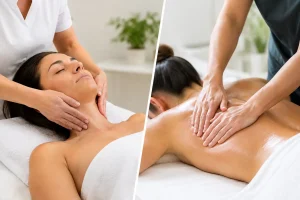
That headache that starts at the base of your skull after a long workday is rarely just “in your head.” Tight neck muscles, raised shoulders, a clenched jaw, poor sleep, and constant screen posture can all add up. So, can massage help headaches? For many people with tension-related headaches, personalized massage can ease the muscle strain and stress patterns that contribute to pain. The key is understanding the type of headache you have and choosing care that meets your body where it is.
Can Massage Help Headaches Caused by Tension?
Massage is often most helpful for tension-type headaches, which commonly feel like a dull, pressing band around the forehead or a steady ache in the temples, neck, and back of the head. These headaches can build slowly after hours at a desk, a demanding drive through North Houston traffic, an intense workout, or a stressful week with too little recovery.
When muscles in the upper back, shoulders, and neck stay contracted, they can refer discomfort into the head. The small muscles at the base of the skull are frequent culprits. Jaw tension can also play a role, especially for people who clench their teeth during sleep or focus intensely during the day.
A therapeutic massage does not simply chase the pain in the forehead. It looks at the patterns behind it. Gentle, focused work may help calm overworked tissue in the neck and shoulders, improve comfortable range of motion, and give your nervous system a chance to settle. Many clients also notice that they breathe more deeply after a session, which can be a meaningful shift when stress has kept the body in a constant state of bracing.
Results vary. One massage may bring welcome relief after a particularly tense week, while recurring headaches usually respond best to consistent care combined with changes to daily posture, hydration, sleep, and stress habits.
The Headache Patterns Massage May Support
Tension headaches are the clearest fit for massage therapy, but they are not the only pattern that may benefit from attentive bodywork. Cervicogenic headaches, which begin with a problem or irritation in the neck and may be felt on one side of the head, can sometimes improve when neck and shoulder mobility is addressed carefully. People with jaw tension may also find relief when the therapist works thoughtfully around the neck, shoulders, scalp, and external jaw muscles.
Migraine is more complex. Massage cannot cure migraine or replace medical treatment, but some people find that regular, calming massage helps reduce stress, sleep disruption, and muscle tension that can be part of their trigger picture. During an active migraine, however, pressure, scents, bright rooms, and conversation may feel like too much. A quieter approach, lighter pressure, or rescheduling may be the better choice.
Sinus pressure, dehydration, eye strain, medication overuse, hormonal changes, illness, and blood pressure concerns can all cause or worsen headaches too. Massage may feel relaxing in these situations, but it may not address the underlying cause. This is why an individualized conversation before treatment matters.
What a Headache-Focused Massage Can Look Like
A helpful session starts with listening. Where does the headache begin? How often does it happen? Does your pain travel from your neck into your temple, settle behind the eyes, or show up after exercise? Have you noticed jaw clenching, numbness, dizziness, nausea, or sensitivity to light?
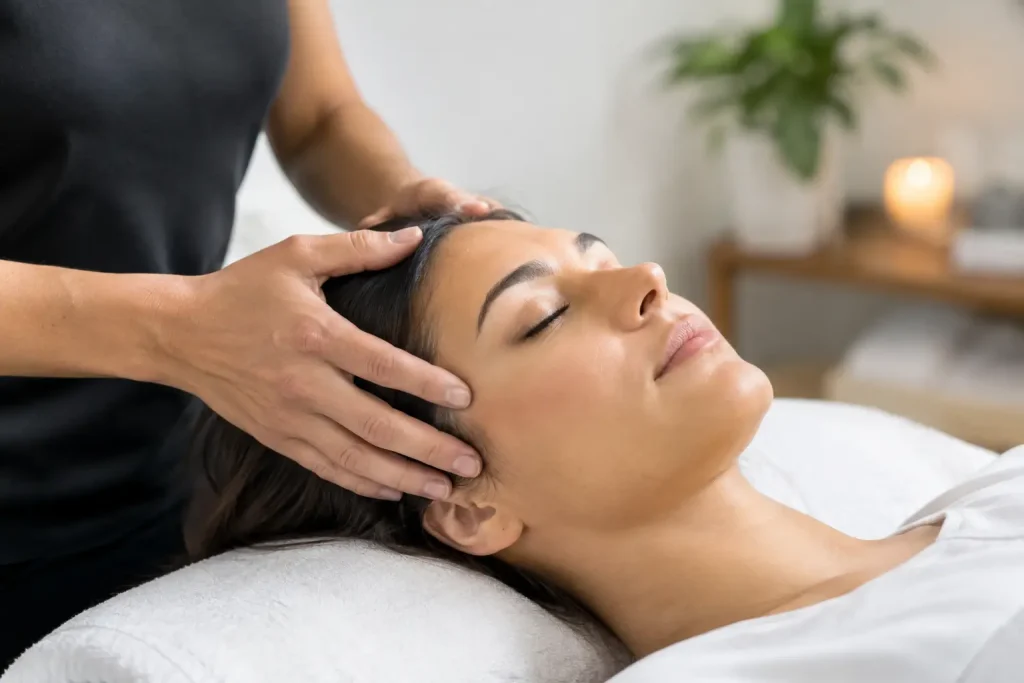
From there, pressure and techniques should be adjusted to your comfort level. Deep pressure is not automatically better for a headache. If your nervous system is already overloaded, firm work can sometimes leave you feeling more sensitive. A skilled therapist may use slower therapeutic massage, myofascial release, scalp work, and focused attention to the upper back, shoulders, neck, and jaw area without forcing the body to relax.
Myofascial restrictions can make movement feel limited or create a pulling sensation through the shoulders and neck. Slow, sustained work can help reduce that feeling of tightness and make it easier to turn your head, sit tall, or rest without constantly repositioning yourself. If tension has been building for months, progress may be gradual. That is still progress.
A session should also include feedback. Speak up if a position aggravates your neck, if pressure causes a sharp or spreading pain, or if you feel lightheaded. Therapeutic care should feel safe, supported, and responsive, not like something you have to endure.
Small Habits That Help Relief Last Longer
Massage can create a valuable reset, but the hours between appointments matter too. If your headaches often arrive at the end of a workday, pay attention to how you hold your body while answering emails or scrolling on your phone. Your head is heavy, and even a small forward tilt can ask much more of your neck muscles over time.
Try bringing screens closer to eye level and taking a brief movement break before discomfort becomes intense. Let your shoulders drop, gently turn your head side to side without pushing, and take several unhurried breaths. Hydration and regular meals can matter more than people expect, particularly on busy days when coffee replaces breakfast.
If you wake with a headache, consider whether your pillow, sleep position, or nighttime jaw clenching may be contributing. A dentist can help assess ongoing teeth grinding or jaw concerns. For active adults, make room for recovery after training, especially if lifting, cycling, or running leaves your traps and upper back constantly tight.
You do not need a perfect wellness routine to feel better. A few realistic changes, paired with bodywork that is tailored to your pain patterns, can be more sustainable than trying to fix everything at once.
When a Headache Needs Medical Care Instead
Massage is supportive wellness care, not a substitute for diagnosis. A new or unusual headache deserves attention, especially if it is severe, sudden, or different from your typical pattern. Stop and seek urgent medical care for a thunderclap headache that peaks within seconds or minutes, a headache after a head injury, or pain accompanied by confusion, fainting, trouble speaking, weakness, numbness, vision changes, chest pain, fever with a stiff neck, or seizures.
It is also wise to speak with a healthcare professional about headaches that are becoming more frequent, regularly wake you from sleep, persist despite rest and usual care, or occur during pregnancy or after starting a new medication. If you have a history of vascular conditions, uncontrolled high blood pressure, blood-clotting concerns, cancer, or recent surgery, share that information before booking bodywork.
A caring therapist will welcome that conversation. The goal is never to push through a symptom that needs medical evaluation. The goal is to help you make safe, informed choices about your comfort and recovery.
Personalized Care for the Tension You Carry
Headaches can make everyday life feel smaller. You may skip a workout, lose focus at work, or come home too depleted to enjoy the people around you. When tension in your neck, shoulders, and jaw is part of the picture, a customized massage can be a practical way to support less pain, freer movement, and a calmer body.
At Healing Key Spa, each session can be adapted to what your body is asking for that day, whether that means focused therapeutic work for stubborn shoulder tension or a quieter, restorative approach when stress has taken over. Pay attention to your patterns, give your body permission to recover, and seek medical guidance when a headache does not feel familiar or safe. Relief often begins with being heard.